

 2 months ago
29
2 months ago
29
PROTECT YOURSELF with Orgo-Life® QUANTUM TECHNOLOGY
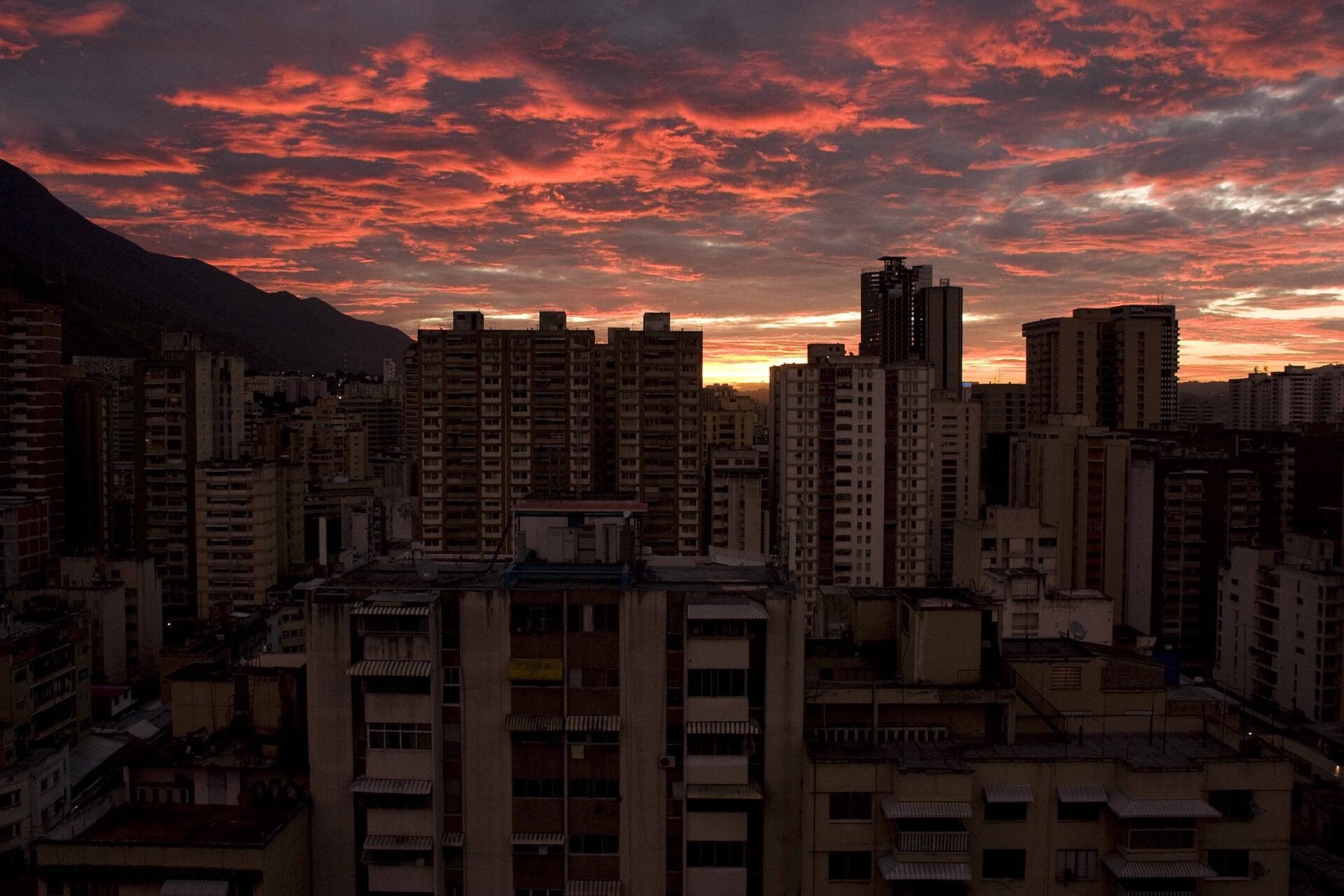
Orgo-Life the new way to the future Advertising by AdpathwayPicture by Erick Franco
What if…?
This family of questions fills the mouths of many Venezuelans at this very moment. Their ramifications creep into our throats and suffocate us in grief, loss, and frustration. What if I had been there? Many of us wish we were in La Guaira, in Caracas, in Venezuela, digging and digging through the rubble, even with our bare hands, even if the structure collapses and takes us along with our mothers, fathers, children, cousins, comadres, friends, fellow countrymen, and even people from opposing factions with whom enmity no longer makes any sense.
Today, as citizens of a country, the majority shares the loss and the abandonment. Each of us has lost something or someone. However, we have all gained one certainty: we are helpless. The country we come from or where we live failed us. And it feels like a raw wound, while Delcy, the person in charge of this failed and monstrous State, tries to sell a reality that none of us can believe.
We would have to gouge out our own eyes, like Oedipus, to keep defending the one responsible for our mourning.
Of course, what happened is a natural disaster, a disastrous double hit of earthquakes over magnitude seven, but what if those Misión Vivienda buildings hadn’t been built with styrofoam, as seen in multiple videos? We have been systematically swindled, by one side and the other, making us believe that if we do this or that, we will be able to progress to a state where we no longer live split: those of us outside, and broken, and those inside the country.
The Hydra is still in control, and Heracles is far from our lands.
Both sides sell us ideas of a homeland that, no matter how loudly we scream the songs of Rawayana, never finishes forming.
What if they had taken away the leaders of the chavista government? I fear my hope has never rested on punitive actions in foreign countries, because I have always seen the situation in Venezuela as the Lernaean Hydra. This monster possessed multiple heads; when one was cut off, another grew back in its place. Heracles, in his labors, finally defeats it with the help of his nephew, who cauterizes the heads as they are severed. What will we have to cut off as a country to turn this page? Rereading the myth, I remembered that the hydra is immortal. There is one of the heads that never dies, but it is neutralized and buried under a rock for eternity. Like chavismo, which we cannot erase with a single breath no matter how much we reject it, since it is embedded in all State institutions and in many of its citizens. And if this tragedy showed us anything, it is that the Hydra is still in control, and Heracles is far from our lands. What if Heracles had been here?
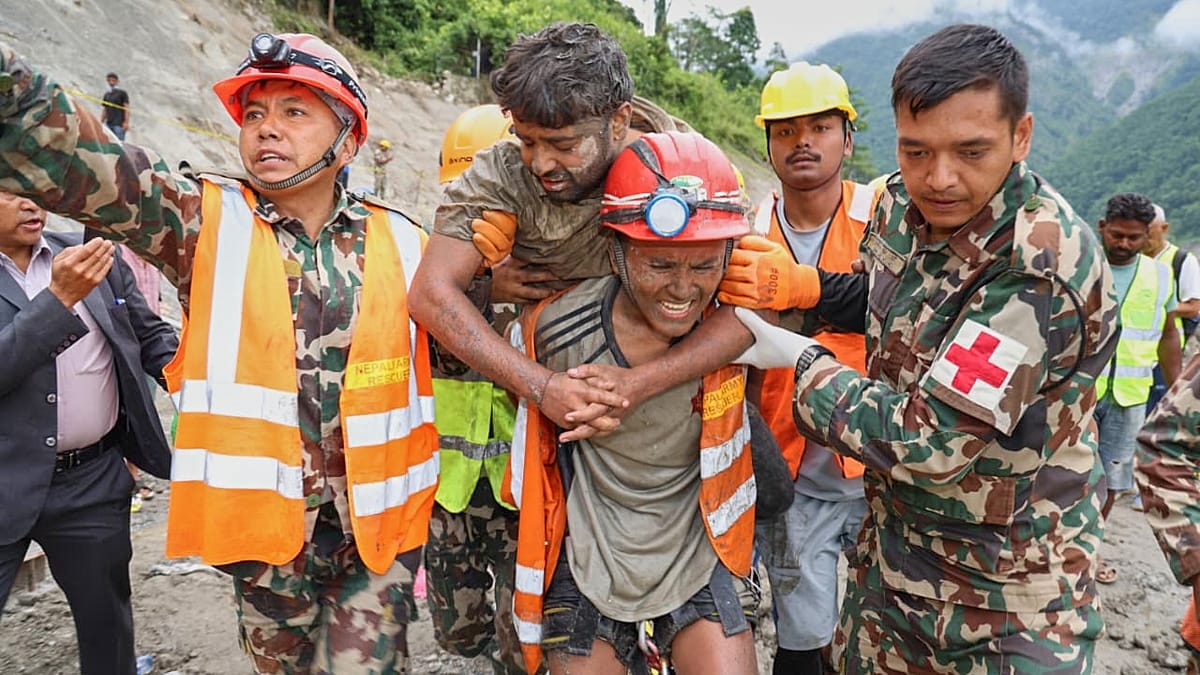
What if help had arrived sooner? I am far from being a political analyst. I am a simple Venezuelan who watched the events through screens and WhatsApp messages, like others who are abroad, part of that diaspora that only reaches Venezuelan soil with money and anxiety. Only this time, I had to watch how my cousin’s life faded away with every second that passed without help. Indignant and infuriated, I saw how rescuers were subjected to a thousand hurdles to reach the places where they were needed most. I had to see how people from many countries stepped up to help us, to send us things, to donate, to look at us once again in a tragedy. But what would have happened if they had arrived sooner?
The Venezuelan military did not deploy. Should they be rescue experts? No, of course not, but they should be the ones guiding efforts and organizing the situation in a terrain they know. One more disappointment, another abandonment, because it is not about effectiveness; it is about the fact that it has been proven for the umpteenth time that their mission is not to protect citizens in the event of natural catastrophes, but to guarantee control. One only needs to look back at the protests from years ago. On this occasion, State agents unlocked a new level of vileness by searching the rubble for anything they could steal before lifting a finger to help, and preventing aid from arriving.
The rescuers asked for proof of life to move. They acted under protocols that were unknown to the families. We had to catch the rescuers’ attention by any means necessary.
What if we, the families of each building, had organized ourselves better? All the efforts made immediately to pull out tools, report, and locate the missing are wonderful. I admire every person who came up with an idea to fill the lack of government structure. I admire the digital moles who connected resources. I admire the person who put together databases and even the volunteers who transcribed handwritten lists. Nonetheless, the organization of relatives, inside and outside the country, was done in a more rudimentary way: through WhatsApp groups. Groups of up to five hundred people made up of relatives, friends, acquaintances, and onlookers.
Leadership was fiercely contested in these groups, because everyone had one goal: to save someone’s life. Sending whatever was needed and however it could be done so that the hope of finding them alive remained. An operation that, in the case of the Oasis Beach building in Playa Grande, required managing the needs of a huge team of volunteers and rescuers, heavy machinery, supplies, food, and hydration, with few people on site and an intermittent signal. By the time they knew something was needed, between communicating it and getting it, the need had changed.
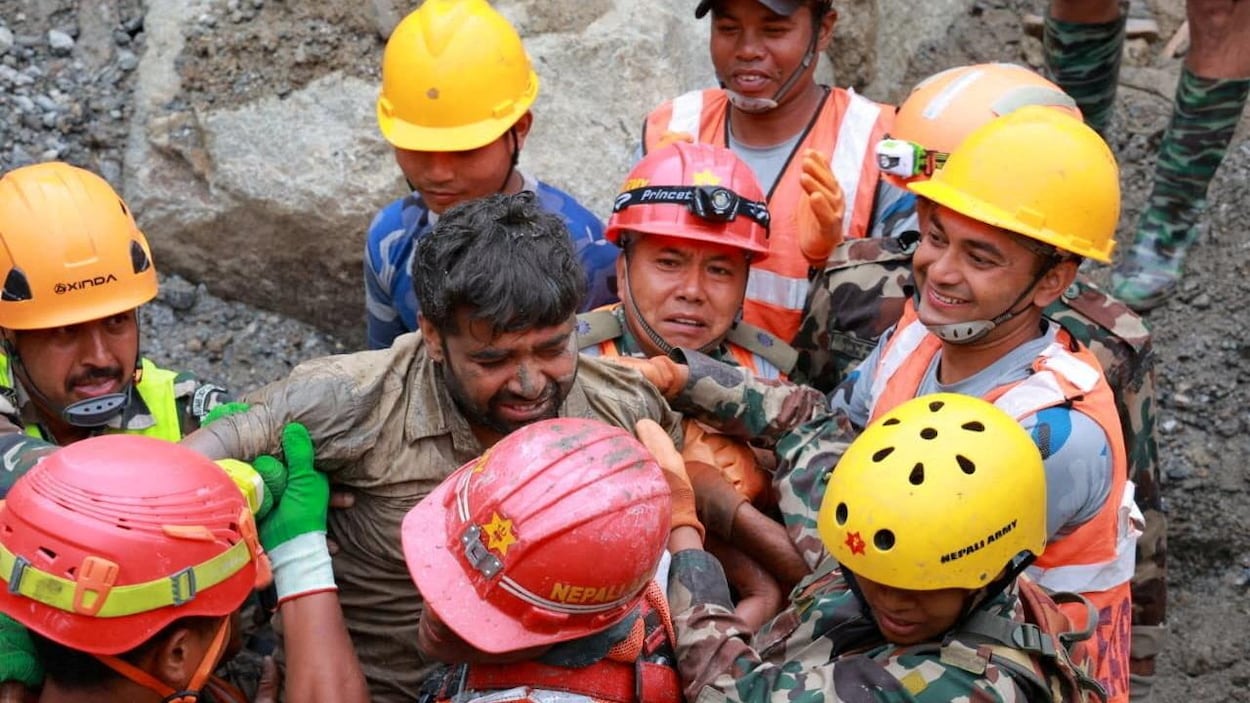
 Removal efforts underway at what was once a beautiful building overlooking the sea (courtesy of the Morett family).
The rescuers asked for proof of life to move. They acted under protocols that were unknown to the families. We had to catch the rescuers’ attention by any means necessary. Looking for that proof of life in a huge building of about one hundred and sixty-five apartments, whose structure and way of collapsing prevented dogs, scanners, and other equipment from penetrating deeply enough. We needed the Topos (Mexican rescuers). We wanted a chance. Tunnels, slabs of over ten tons, engineers, rescuers from multiple countries.
Even as I write this, at three in the morning on Saturday, July 4, it is believed that at least one person is alive. We were not fortunate enough for it to be Kathy. They found her on the afternoon of July 3, alongside her boyfriend. Both were athletes. She, 36 years old, ran a kickingball academy for girls and young women, and he was a professional basketball player. Everyone knew Kathy in La Guaira, and she was heavily involved in her community, as the many messages reaching us, her family, have shown.
For these questions, I have nothing but a deep pain that won’t let me breathe, that asks me more questions and gets stuck in my throat.
Everyone in this story is a person in the midst of trauma, the shock of having lost everything or having a relative under the rubble, doing the only thing they could at that moment, each in their own circumstances, without ceasing to ask themselves questions.
What if we had gotten the telescopic crane sooner? What if we had gotten the backhoe? What if we had opened it from the back? What if we had that Starlink antenna or those light towers at least two days earlier?
Now I am left with the other “what ifs…?” What if I had visited her more? What if I had called her? What if I hadn’t left Venezuela? What if I had told her I loved her more often? What if I had known her better? What if I could have another chance?
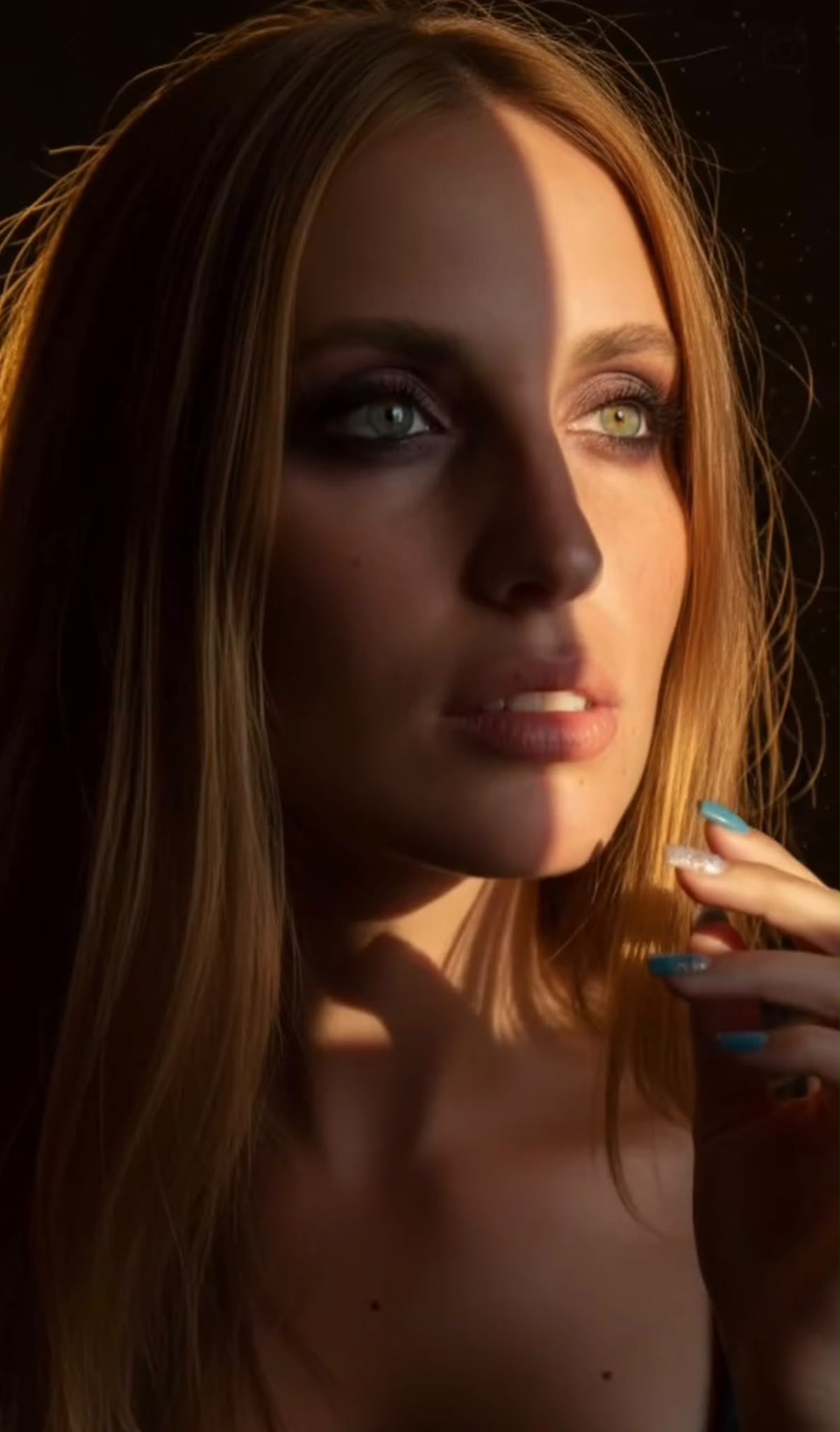 Kathy, a good neighbor and kickingball coach (courtesy of the Morett family).
For these questions, I have nothing but a deep pain that won’t let me breathe, that asks me more questions and gets stuck in my throat. A pain that assaults me with every breath, that opens up when I look at her in photos, memories, and videos. A pain that wants to embrace a family that is far away, scattered across the world for lack of a country to shelter them. A pain that blames itself. A pain that thinks of the survivors, like my aunt Soraya, who, thanks to the light of her cell phone, was able to be rescued the very night of June 24 by someone passing by, who, without ropes, pulled her out and threw her to another person who caught her as best as they could, breaking her pelvis but saving her life. How are we going to tell her that her daughter, her beautiful catira, is gone?
But above all, as a Venezuelan, I am left with a rage and a question: what if we’d had another government?








 English (US) ·
  French (CA) ·
  French (FR) ·