

 4 hours ago
5
4 hours ago
5
PROTECT YOURSELF with Orgo-Life® QUANTUM TECHNOLOGY
Orgo-Life the new way to the future Advertising by Adpathway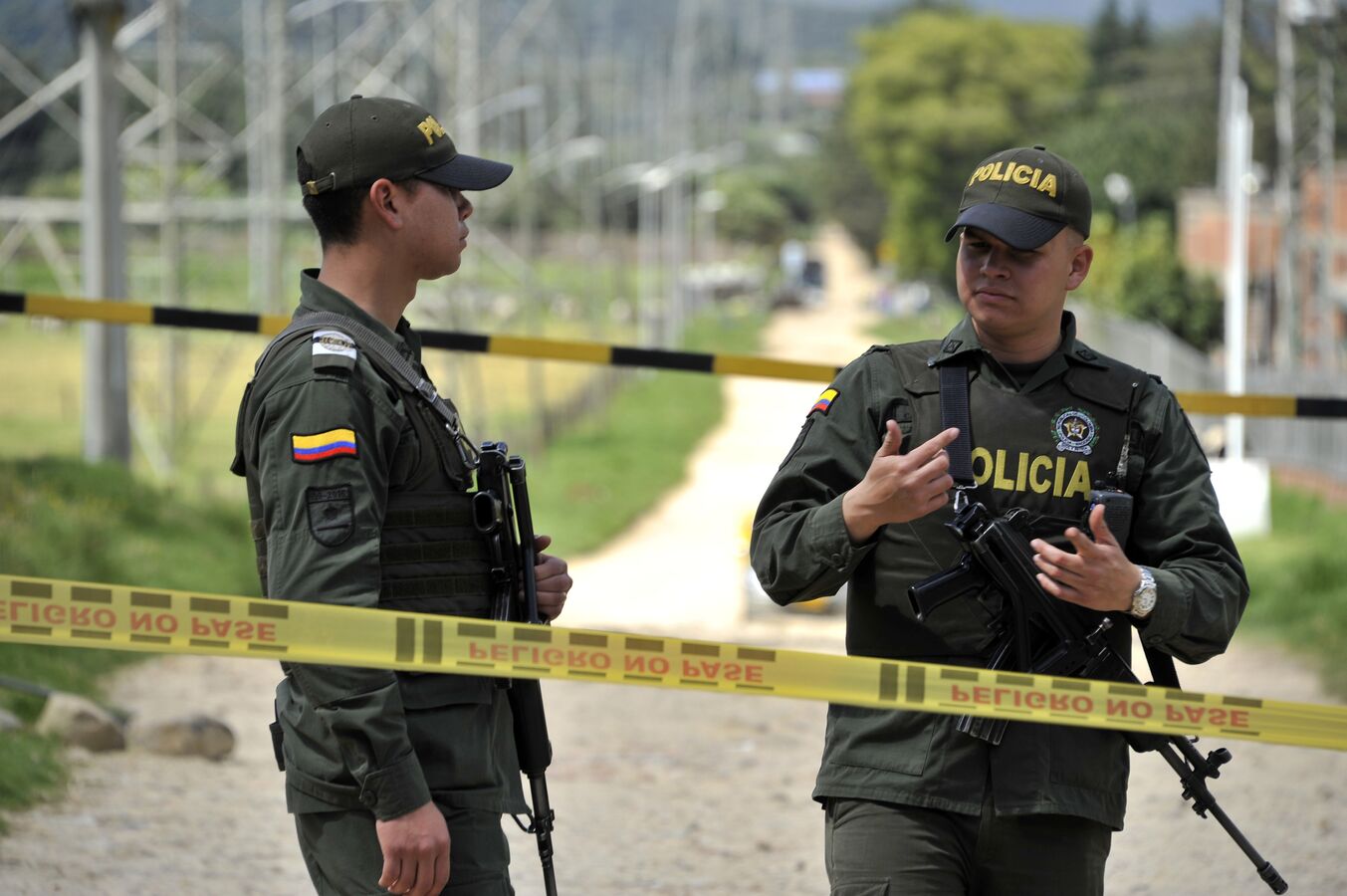
One-stop reference
Company Intelligence
Every listed company in Latin America — financials, ownership and structure for 1,450+ companies across 26 exchanges, in one place.
SECURITY · COLOMBIA
Key Facts
- —The country Colombia has long faced kidnapping and extortion by armed groups such as the ELN guerrilla. President Abelardo de la Espriella took office on 7 August 2026.
- —What happened On 1 October 2026 the president announced 148 arrests in Operation Perla, run by the police Gaula units with the Attorney General’s Office.
- —The numbers 75 held for extortion, 32 for kidnapping and 41 for related crimes; 44 raids and 1,195 items seized, including 24 firearms (police balance, 1 October 2026).
- —What it means for you Police say the networks mainly targeted shopkeepers, transport workers and drivers. Several arrests followed complaints from victims, which officials urge people to keep filing.
- —Still open Judges must still rule on each arrest and on charges. The government’s claim that kidnapping fell 79% in its first month is not independently confirmed.
Colombia’s anti-kidnapping operation, code-named Perla, ended with 148 arrests in six cities and 12 departments (provinces). President Abelardo de la Espriella announced the result on Thursday 1 October on his X account.
The Gaula, the police unit for kidnapping and extortion, ran the raids with the Attorney General’s Office (Fiscalía). El Heraldo, El Nuevo Siglo, Infobae and El Colombiano all reported the same headline figure.
What the police seized
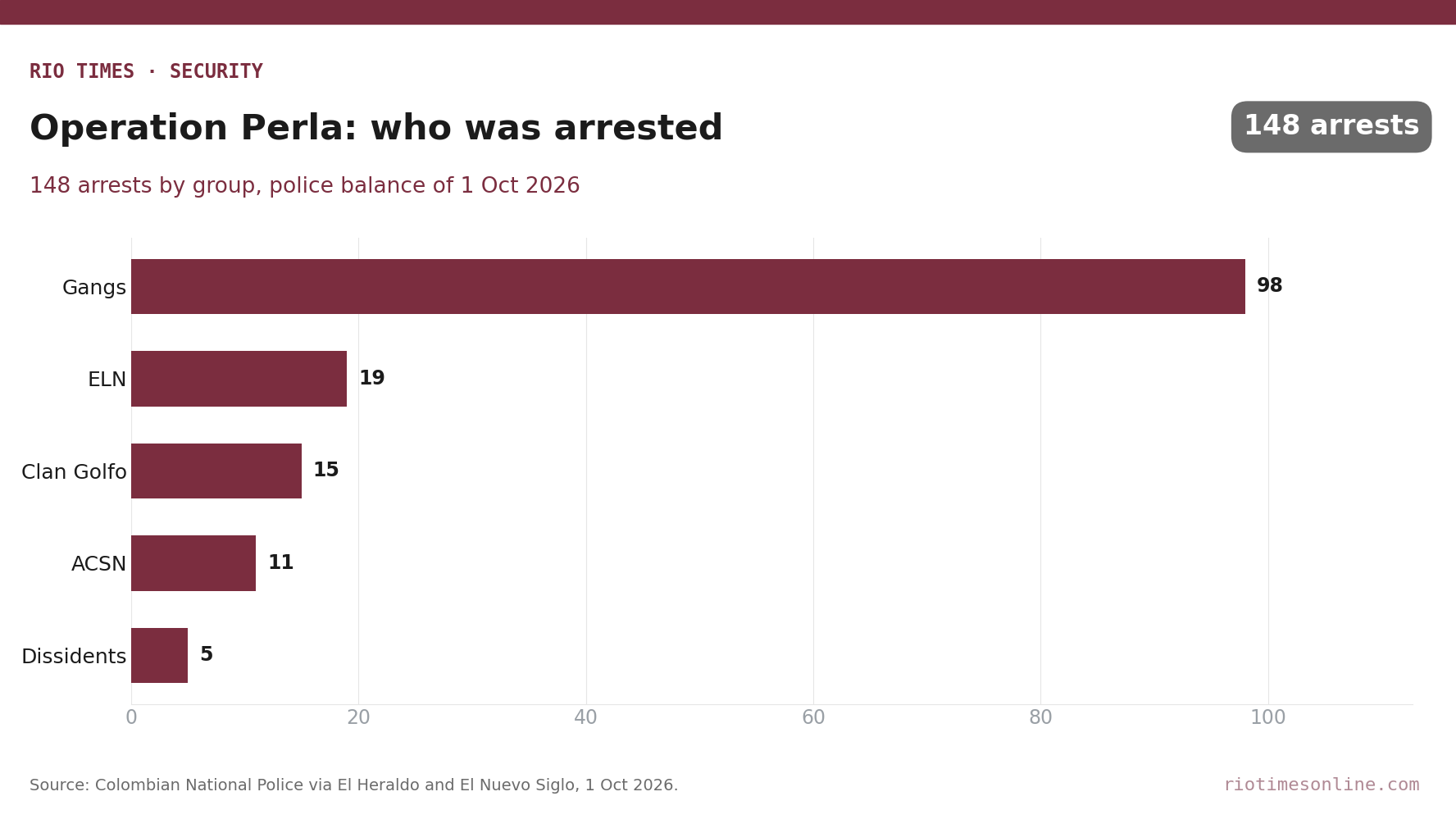
Of the 148 detainees, 75 were held for extortion, 32 for kidnapping and 41 for related crimes. The breakdown of the anti-kidnapping operation was published by the president and by the police.
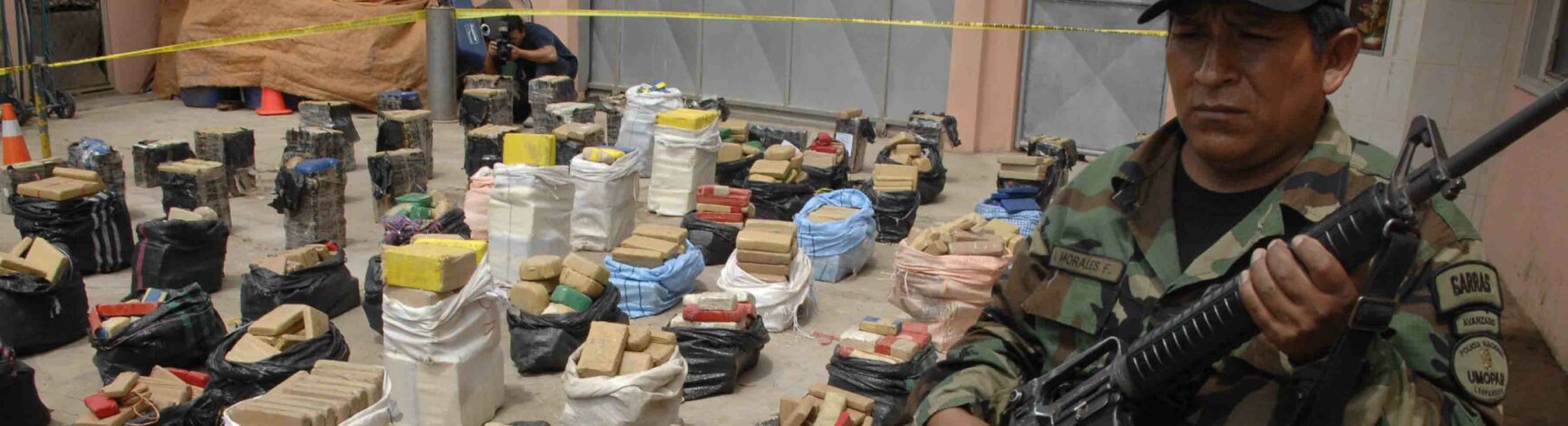
Officers made 44 searches in Bogotá, Cali, Cúcuta, Medellín, Santa Marta and Barranquilla, plus 12 departments. They seized 1,195 items, including 24 firearms, 642 cartridges, 12 grenades, 262 mobile phones and a drone.
Prosecutors also opened asset-forfeiture cases on four properties valued at about COP1.2 billion (about US$363,000, at 3,308 pesos per dollar on 2 October 2026). Five suspected gang members were killed during the operation, two from the ELN and three from FARC dissident groups.
Follow this story
Get an email when there’s news on Colombia
Free. One email a day at most, and only when there is news. This also signs you up to our weekday newsletter, The LatAm Brief. Nothing arrives until you click the confirmation link, and you can stop either with one click. Privacy policy.
Which groups were hit
Police said 19 detainees belonged to the ELN (National Liberation Army), Colombia’s largest remaining guerrilla group. Another 15 were linked to the Clan del Golfo, a major drug-trafficking organisation.
Eleven belonged to the Autodefensas Conquistadoras de la Sierra Nevada (ACSN), a paramilitary-rooted group on the Caribbean coast. Five came from FARC dissident factions and 98 from local criminal gangs.
El Colombiano reported 11 Clan del Golfo detainees, while the police breakdown carried by El Heraldo and El Nuevo Siglo gives 15. Only the police figures add up to 148.
In Medellín, 16 suspected members of the La Terraza gang were arrested, including three alleged leaders. In Soacha, south of Bogotá, a couple accused of extorting public transport drivers was caught after drivers filed complaints.
The government’s wider tally
De la Espriella said 114 people have been arrested for kidnapping and 390 for extortion since he took office on 7 August. He said citizen reports had prevented payments of more than COP34 billion (about US$10.3 million) to criminal groups.
The presidency also said kidnapping fell 79% and extortion 62% in his first month, against the same period a year earlier. These are government figures, reported by El Colombiano, and have not been independently confirmed.
The sweep fits a hard line on armed groups: in September the president ruled out an ELN hostage exchange. Days earlier, security forces had rescued eight ELN hostages in raids that killed five guerrillas.
Arrest totals from an anti-kidnapping operation are only a first step, because each case must hold up in court. Every detainee must appear before a judge, who rules on the legality of the arrest and on charges.
“To kidnappers and extortionists it must be clear: we are coming for you,” De la Espriella wrote. He urged victims to keep reporting demands, which officials say triggered several of the investigations.
What Is Not Yet Known
The government has not said over what period the raids ran, or how many detainees will be formally charged. Infobae noted that the announcement did not identify those detained.
The 79% fall in kidnapping covers only one month and rests on government data. No independent figures for the same period were available on 2 October.
Sources: Colombian National Police and Presidency balance of Operation Perla, 1 October 2026, as reported by El Heraldo, El Nuevo Siglo, Infobae and El Colombiano (1–2 October 2026).
Editorial responsibility: Matthias Camenzind, Editor-in-Chief · Editorial standards · Report an error
The Rio Times · Power Map
See who really holds power in Latin America
Click to open the Power Map →



















 English (US) ·
  French (CA) ·
  French (FR) ·