

PROTECT YOURSELF with Orgo-Life® QUANTUM TECHNOLOGY
Orgo-Life the new way to the future Advertising by Adpathway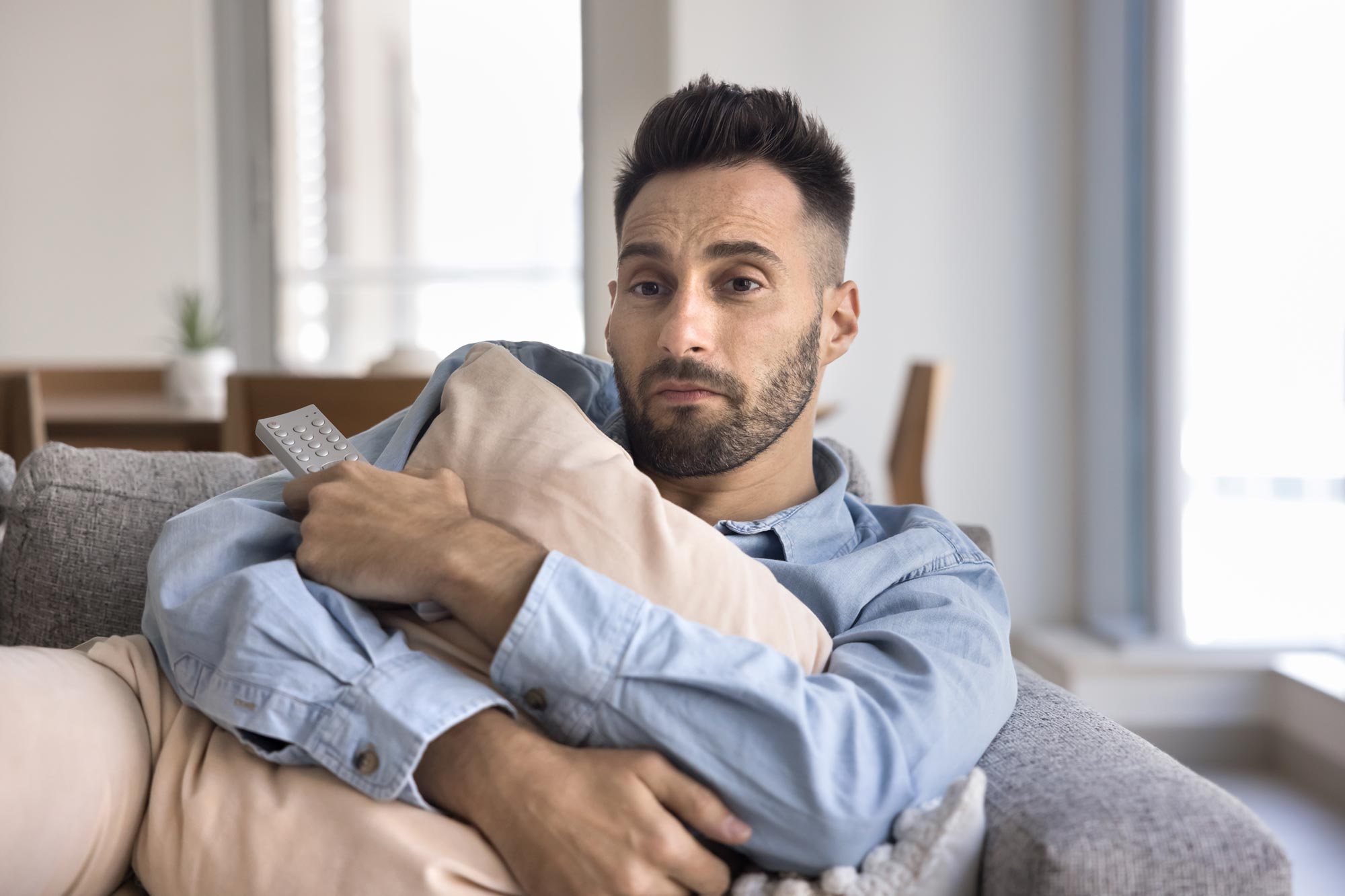 Loneliness and social isolation are increasingly recognized as more than emotional experiences, with growing evidence linking them to long-term health. Credit: Shutterstock
Healthy habits may reduce some of the health burden associated with social isolation, but loneliness appears to be more resistant to lifestyle changes.
Living longer is only part of the health equation. Another question is how many of those years are spent free from major physical and mental illnesses. New research suggests that the quality of our social lives may influence that number more than expected.
Loneliness and social isolation are already widespread in the United States. A 2023 report estimated that roughly half of U.S. adults experience loneliness, while nearly as many are socially isolated. Researchers have long linked both conditions to poorer health and premature death, but their effect on the number of healthy years a person might expect to live has been less clear.
A new observational study from Tulane University’s Celia Scott Weatherhead School of Public and Tropical Medicine offers one of the clearest estimates yet. Published in Nature Communications, the research found that people experiencing loneliness and social isolation could lose several years of life free from major illness. The largest difference appeared in mental health, reaching nearly six years in some participants.
“Overall, the study found that social isolation and loneliness can have a significant impact on disease-free life expectancy,” said lead author Lu Qi, HCA Regents Distinguished Chair and professor in Celia Scott Weatherhead School of Public and Tropical Medicine at Tulane. “This includes both physical and mental disease.”
Being Alone and Feeling Alone Are Different
Loneliness and social isolation describe related but distinct experiences. Social isolation can be measured through factors such as the frequency and extent of a person’s social connections. Loneliness is more personal. It reflects how satisfied someone feels with the quality of those relationships, meaning a person can have frequent social contact and still feel lonely.
The two experiences may affect health in different ways. Researchers have proposed several possible pathways linking weak social connection to poorer health, including changes in stress, sleep, and health behaviors. However, those pathways are complex, and an observational study cannot establish that loneliness or isolation directly causes a particular disease.
“The findings weren’t surprising to me,” Qi said. “Previous studies found that social isolation and loneliness are related to mortality, especially premature mortality, and this study provides additional evidence.”
To examine the potential effect on healthy lifespan, the researchers analyzed data from 277,489 adults ages 40 to 69. At the start of the study, participants had none of seven major conditions: diabetes, heart disease, lung disease, dementia, cancer, depression, and anxiety.
Using age 50 as a reference point, the team estimated disease-free life expectancy, which represents the number of remaining years a person could expect to live without developing the conditions included in the analysis.
Mental Health Showed the Sharpest Difference
The largest losses emerged among people experiencing both loneliness and social isolation.
For physical health, women in this group lived 2.4 fewer years without disease compared with people experiencing neither condition. The difference for men was 1.7 years.
The mental health gap was considerably larger. Women experiencing both loneliness and social isolation lived about 3.7 fewer years without mental disorders, while men lived approximately 5.8 fewer years.
“This comes down to the gender differences between men and women,” Qi said. “Our research found men are more susceptible to being affected by loneliness. We also know that women tend to live longer than men. There are gender advantages with certain diseases.”
Eating well, exercising, getting adequate sleep and not smoking reduced some of the loss in disease-free life expectancy associated with social isolation.
The same pattern did not appear for loneliness. Healthier habits did not significantly reduce the additional health risks associated with feeling lonely.
Reference: “Associations of loneliness, social isolation and healthy lifestyle with life expectancy free of major physical disease and mental disorder” by Xuan Wang, Hao Ma, Yoriko Heianza, Zhaoxia Liang, Oscar H. Franco and Lu Qi, 20 August 2026, Nature Communications.
DOI: 10.1038/s41467-026-74498-8
Funding: NIH/National Heart, Lung and Blood Institute, NIH/National Institute of Diabetes and Digestive and Kidney Diseases
Never miss a breakthrough: Join the SciTechDaily newsletter.
Follow us on Google and Google News.
















 English (US) ·
  French (CA) ·
  French (FR) ·