

PROTECT YOURSELF with Orgo-Life® QUANTUM TECHNOLOGY
Orgo-Life the new way to the future Advertising by Adpathway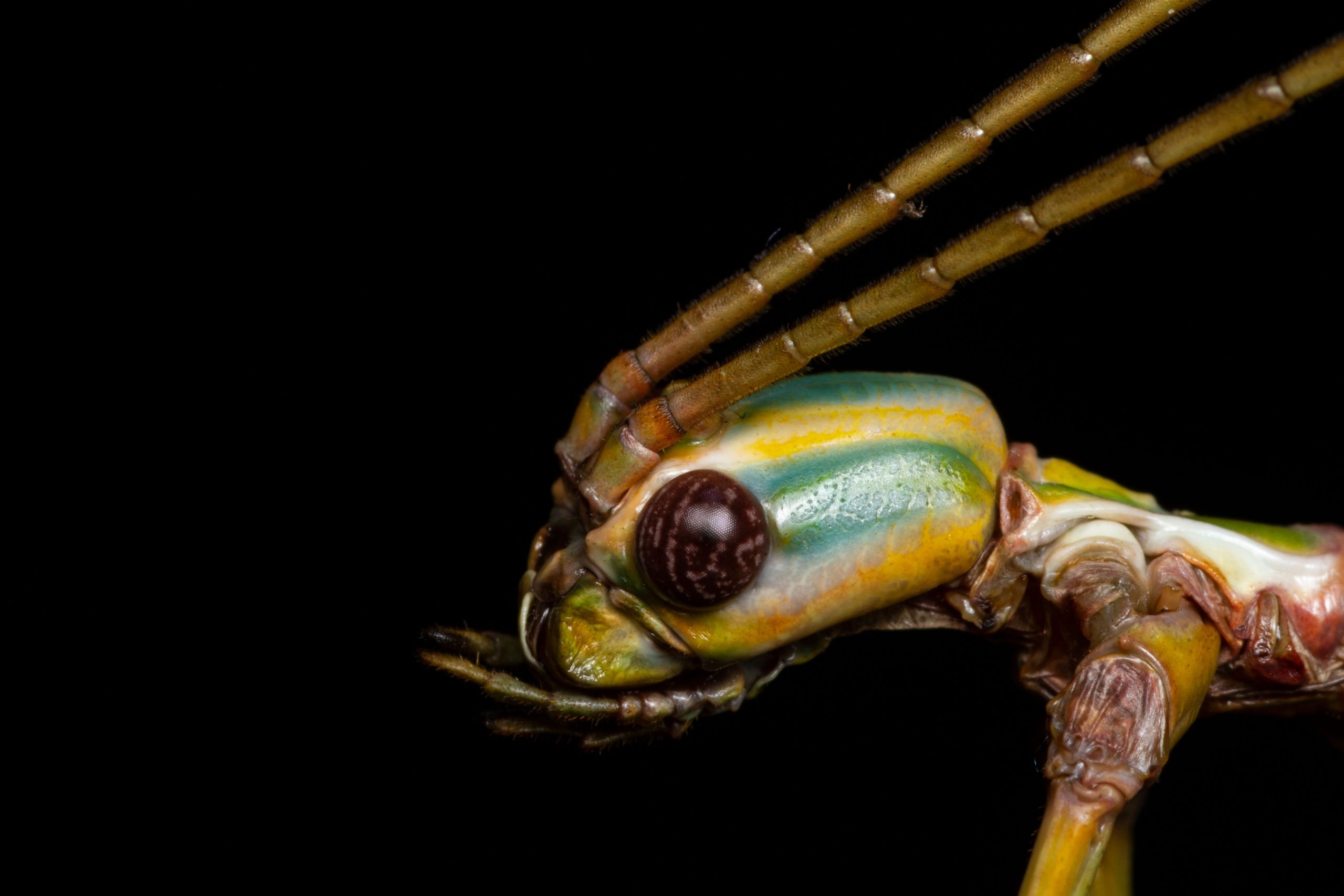 Close-up photo of the head of an adult female Clemencantha goliath. Credit: Braxton Jones/University of Sydney
The discoveries could help manage stick insect outbreaks and reduce their impact on forestry and agriculture.
Australia’s coastal landscapes are home to large stick insects belonging to the genus Anchiale, a group of closely related species. For decades, scientists and nature enthusiasts have documented them, uploading more than a thousand observations to databases like iNaturalist and the Atlas of Living Australia. But despite all that attention, several distinct insects have been hiding in plain sight under the wrong names.
A University of Sydney study now recognizes five Australian Anchiale species where scientists previously recognized two. The researchers described two new species and restored recognition of a third that had gone unrecognized for decades. These insects range from northern New South Wales through coastal Queensland and into Australia’s tropical north.
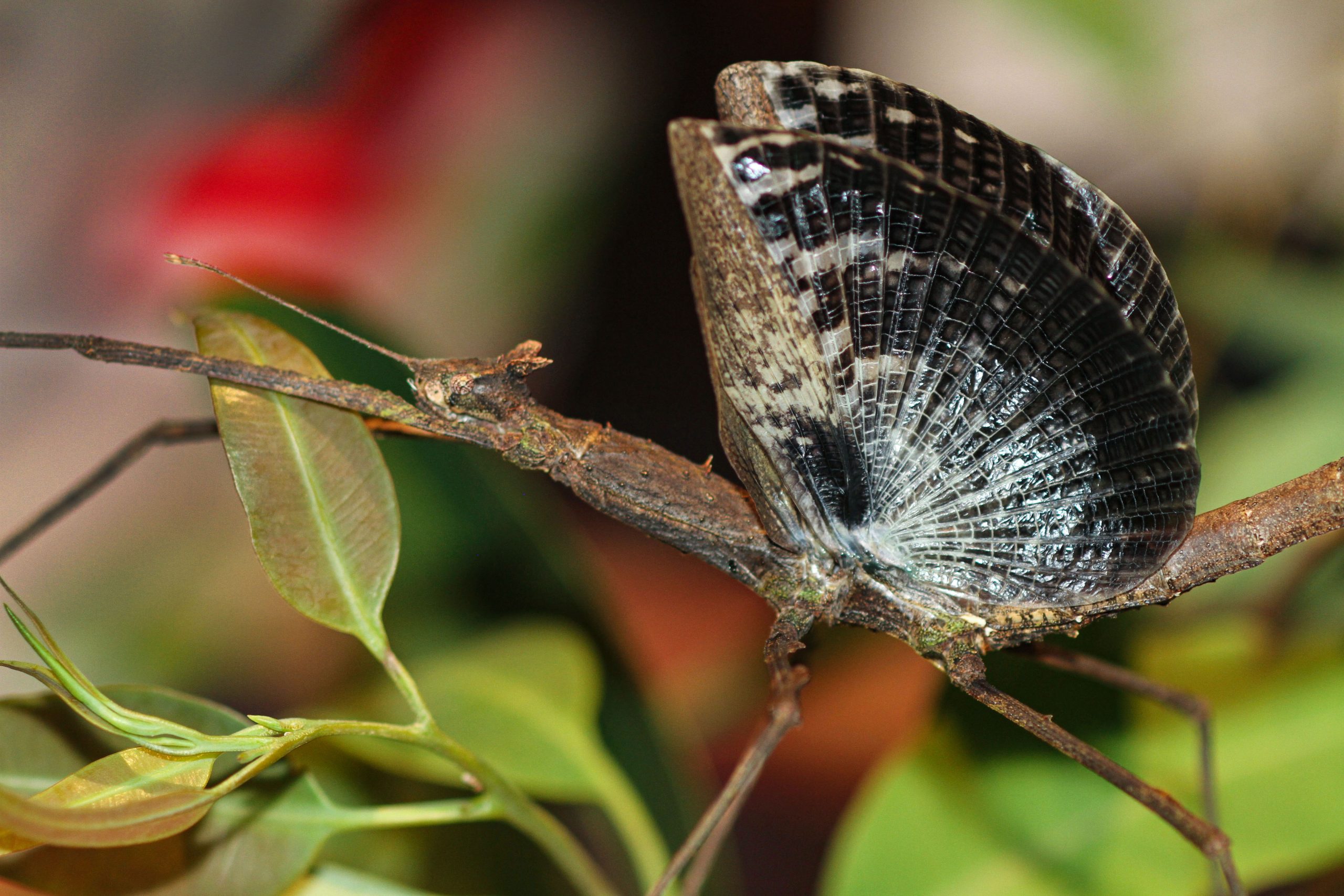 Captive reared female Onchestus rentzi showcasing its deimatic display. Credit: Dr Braxton Jones/University of Sydney
Decades of stick insect misidentification
Working out which insects belonged to which species required the team to combine those citizen science records with DNA analysis, museum collections, surveys, and studies of captive populations. Together, that evidence allowed them to revise the group’s taxonomy, the scientific identification, naming, and classification of organisms. The findings are published in Austral Entomology.
One of the newly described species, Anchiale robusta, had long been familiar to scientists and insect enthusiasts. The researchers established that this large stick insect had been misidentified for decades and deserved recognition as a separate species.
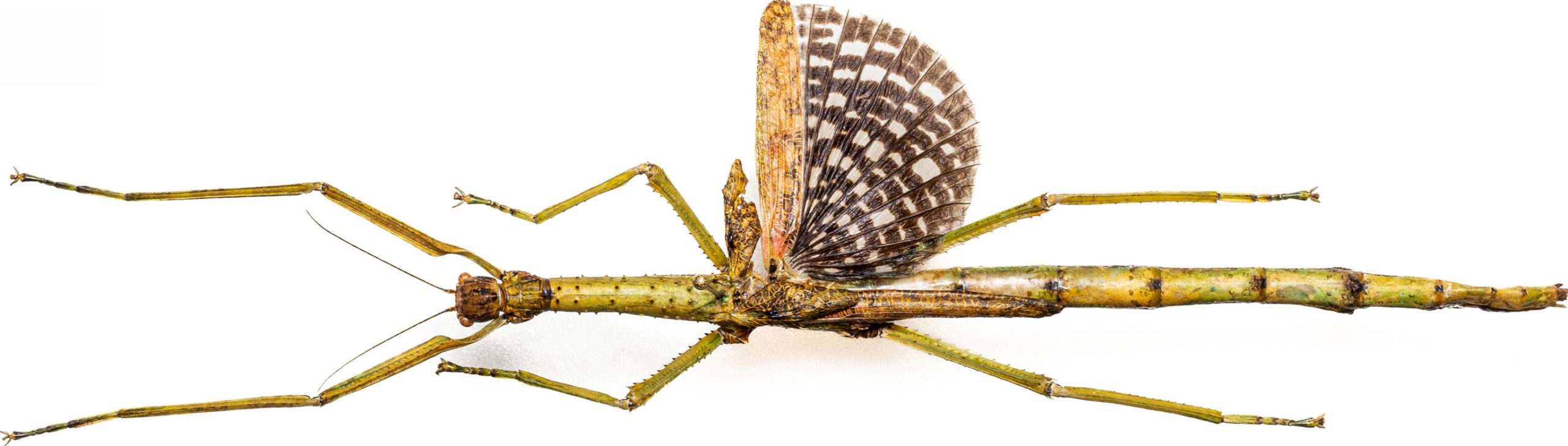 Anchiale mabiensis (female) lives in Queensland’s endangered Mabi rainforest on the Atherton Tablelands. Stretched like this it is 16.3cm long. Credit: Angus Emmott, James Cook University
“Taxonomy is often a bit like detective work. Even among some of Australia’s most photographed and frequently reported insects, we’re still finding species that have escaped scientific recognition,” said lead author Dr. Braxton Jones, of the university’s Aola Richards Sydney Insect Hub. Jones is a postdoctoral research associate in the Molecular Ecology, Evolution and Phylogenomics Laboratory.
Correctly identifying these insects also matters for managing their effects on trees. A stick insect known for population outbreaks large enough to strip foliage from trees turned out to represent more than one species. Distinguishing those species should help improve future management of their impacts on forestry and agriculture.
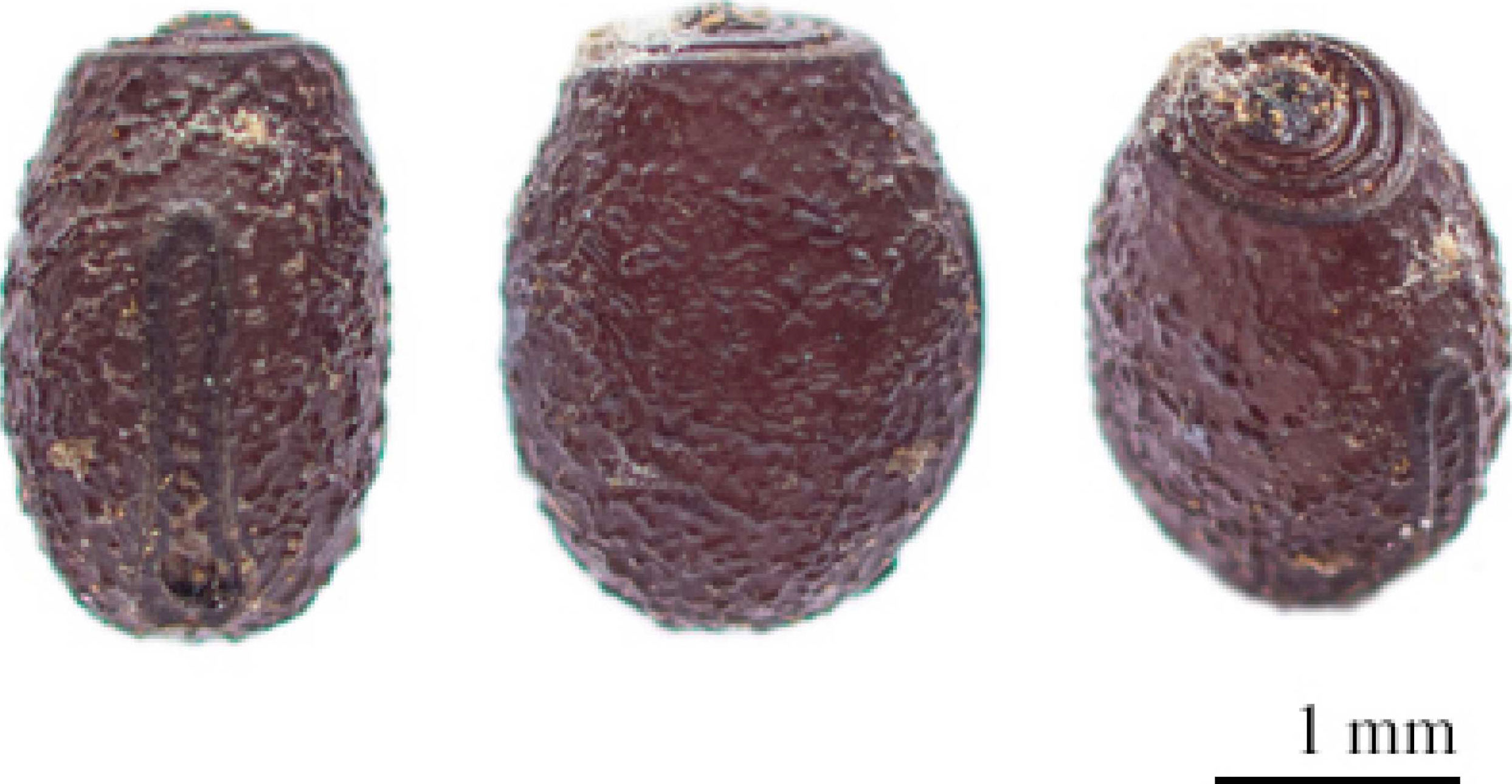 Eggs of the Anchiale mabiensis stick insect. Credit: Braxton Jones
Lidded eggs in a threatened rainforest
The second newly described species, Anchiale mabiensis, lives in Queensland’s critically endangered Mabi rainforest on the Atherton Tablelands. Its eggs contain a structural lid unlike anything previously recorded in stick insects or their closest relatives. Its discovery places another newly recognized species within an ecosystem already under threat.
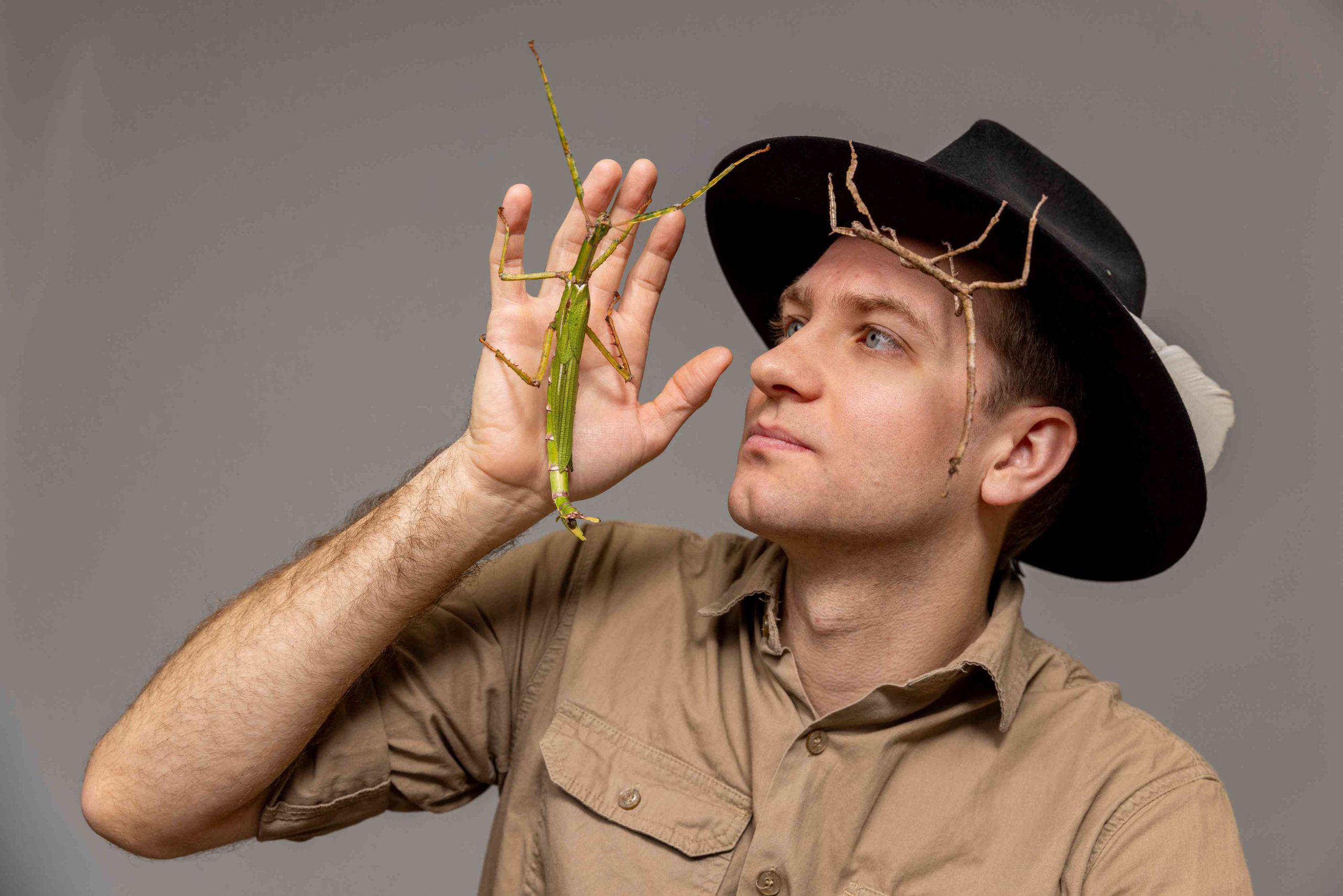 Dr Braxton Jones with stick insects. Credit: University of Sydney
Jones said, “These findings demonstrate the importance of protecting threatened ecosystems and documenting Australia’s extraordinary biodiversity before we lose species without us having even discovered them.”
The study also identified what is likely another undescribed species from Cape York. The researchers need more specimens before they can confirm its identity.
Reference: “A Revision of Australian Anchiale Stål, 1875 (Phasmida: Phasmatidae), with the Description of Two New Species” by Braxton R. Jones, Paul D. Brock, Ross M. Coupland, Angus Emmott and Nathan Lo, 21 September 2026, Austral Entomology.
DOI: 10.1111/aen.70096
Funding for this research was provided by Australian Biological Resources Study – National Taxonomy Research Grant of the Commonwealth Department of Climate Change, Energy, the Environment and Water, and by CSIRO – postgraduate scholarship.
Never miss a breakthrough: Join the SciTechDaily newsletter.
Follow us on Google and Google News.














 English (US) ·
  French (CA) ·
  French (FR) ·