

 1 month ago
50
1 month ago
50
PROTECT YOURSELF with Orgo-Life® QUANTUM TECHNOLOGY
Orgo-Life the new way to the future Advertising by Adpathway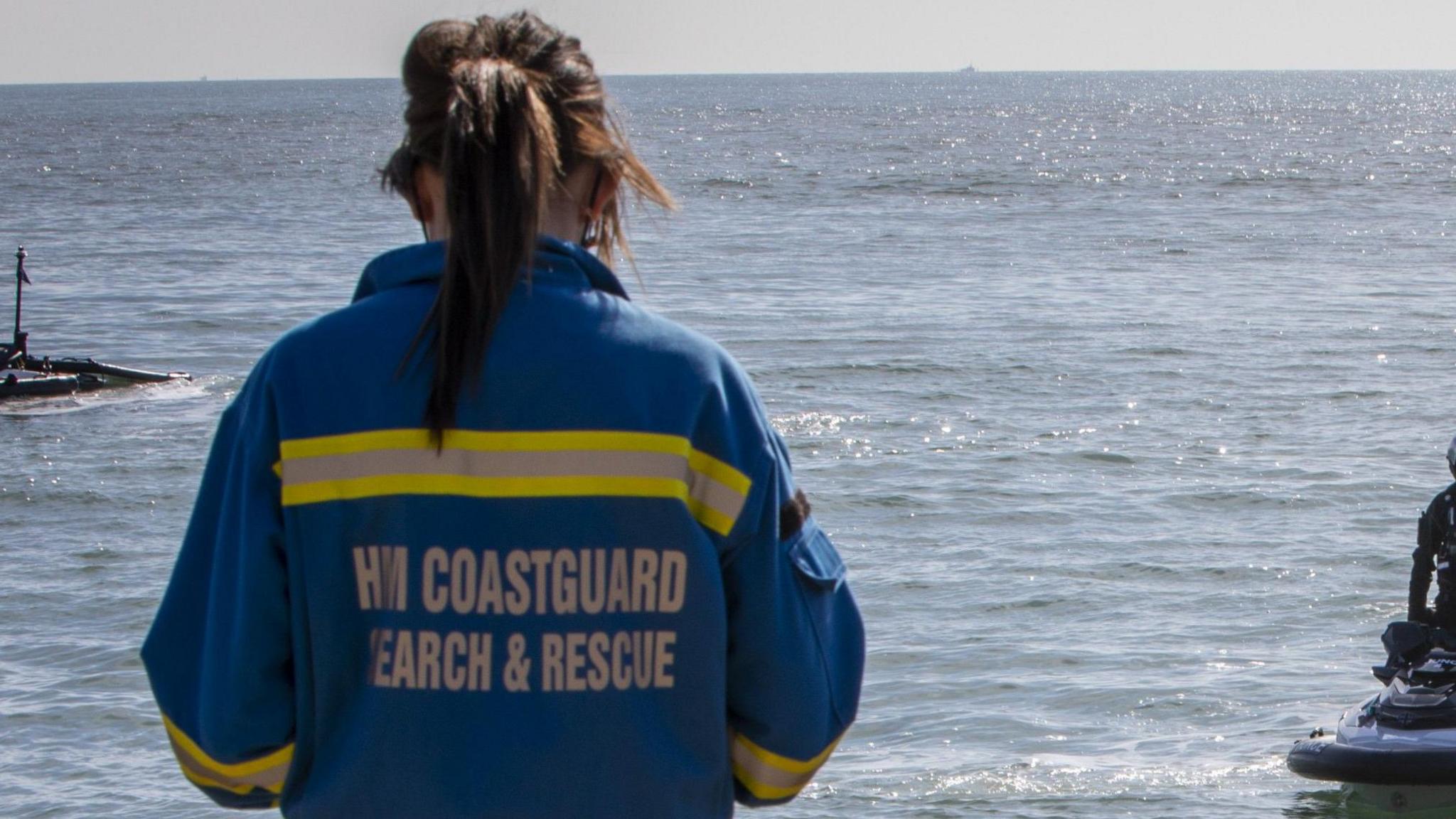 Image source, Getty Images
Under the current system, Coastguard volunteers receive a fee of at least £33 for emergency call-outs
Plans to stop paying coastguard volunteers for their time on call-outs and training have been dropped after some threatened to quit over the move.
UK government transport minister Keir Mather said he had listened to the views of coastguard rescue officers (CROs), and now a move to an expenses-only model would not go ahead.
The Maritime and Coastguard Agency (MCA) had originally said it needed to "change how the service operates" after a court classed responders as "workers" while they were carrying out their duties.
The minister said the government would explore options for how the volunteers could be rightfully rewarded and have the flexibility to serve their communities.
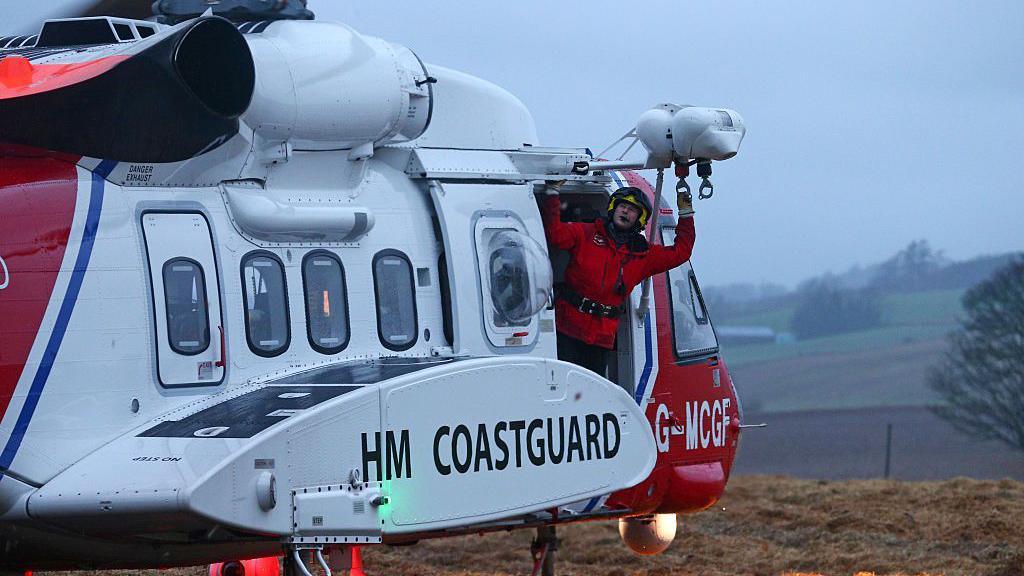 Image source, Getty Images
Coastguard teams carry out rescues around the UK's coast
The MCA said it had "heard the strength of feeling" on the proposed changes.
A spokesperson added: "We have agreed with Ministers to pause plans to move to a revised volunteer model.
"The work of the service is vital to keeping people safe, and this pause gives us the time to engage extensively with our hard-working officers, understand more deeply the potential impact of any changes, and ensure their views help inform the decisions we take on how to shape the service."
CROs make up the bulk of the Coastguard Rescue Service (CRS), the volunteer arm of HM Coastguard.
There are more than 3,500 of them who carry out rescues around the UK's coast, including those stuck in mud, water and on cliffs, as well as assisting in searches for missing people.
They are officially classed as volunteers, but can claim about £11 per hour for responding to callouts or undertaking training exercises.
A minimum payment equivalent to three hours – about £33 – can be claimed even if in an incident is resolved before that.
However, the MCA wanted to remove that payment later this year after a judgement from the Court of Appeal in January.
It ruled that while CROs were described as "volunteers", a contract came into existence whenever they attended callouts or training sessions for which they had a right to claim payment.
In response, the MCA said it would move to the "revised volunteer model".
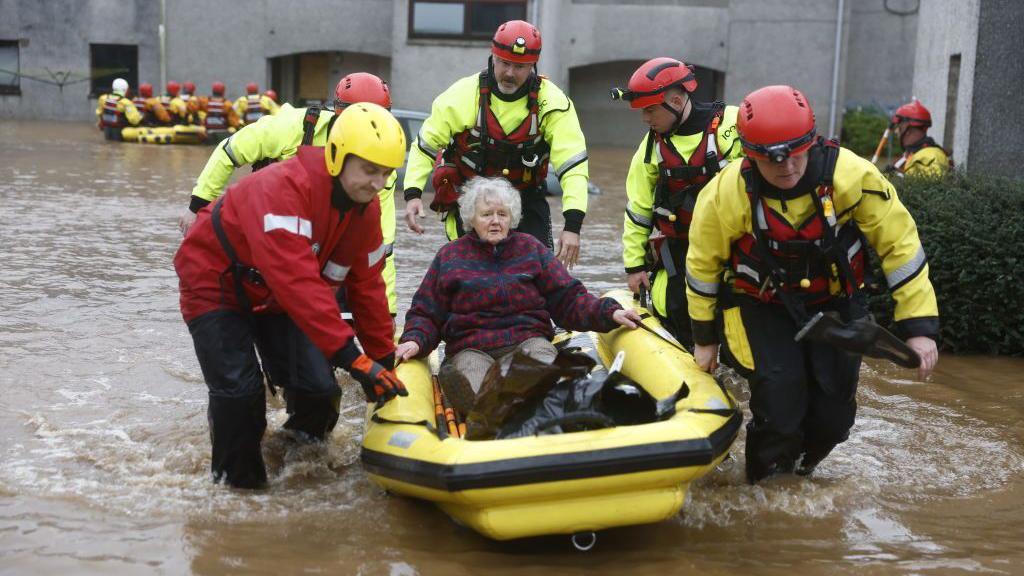 Image source, Getty Images
Coastguard responders helped evacuate people from homes in Brechin, Angus, during Storm Babet in 2023
After announcing the move, the government was warned that a survey carried out by the MCA showed the coastguard would be devastated if the move to a sole-volunteer model went ahead.
It showed that at least a quarter of all volunteers would quit or reduce their hours across the UK, rising to as high as 56% in the South East and southern England regions.
In response to questions in the Commons, Mather said: "The MCA and His Majesty's Coastguard do vital work and ministers have full confidence in the service, but when those on the ground raise concerns of the scale that we've seen and when the evidence base proves insufficient, it's absolutely right that we pause and that we engage again.
"That is exactly what taking this decision to not move ahead with the new model in September facilitates, to ensure that we treat CROs with the dignity and respect that they deserve, and most importantly get this system right."
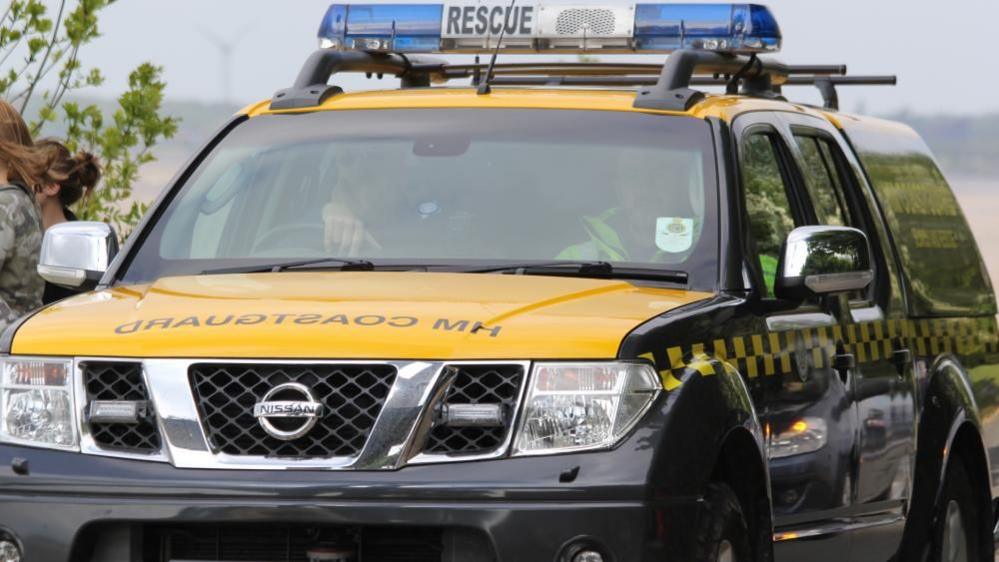 Image source, BBC/Dale Baxter
CROs have similar training standards to police, fire and ambulance crews
The decision was welcomed by Liberal Democrat MP Alistair Carmichael for Orkney and Shetland, who called an urgent question into the topic last week.
He also raised the problem with Sir Keir Starmer at Prime Minister's Questions on Wednesday.
Carmichael said: "This is a major win for coastguard volunteers today.
"The Maritime and Coastguard Agency's damaging plans would have put public safety at risk up and down the country and particularly in island communities – so there was no alternative but to organise, campaign and secure a reversal."
Chair of the All-Party Parliamentary Group (APPG) on volunteer rescue services Torcuil Crichton, who represents the Scottish Western Isles constituency of Na h-Eileanan an Iar, praised the decision.
The Labour MP said the coastguard were the "fourth blue light" service in remote communities such as his.
He said: "It's a huge win for the CROs who were facing massive uncertainty and anxiety over this.
"They are committed, they are professional, and this change for them was in danger of threatening that service."
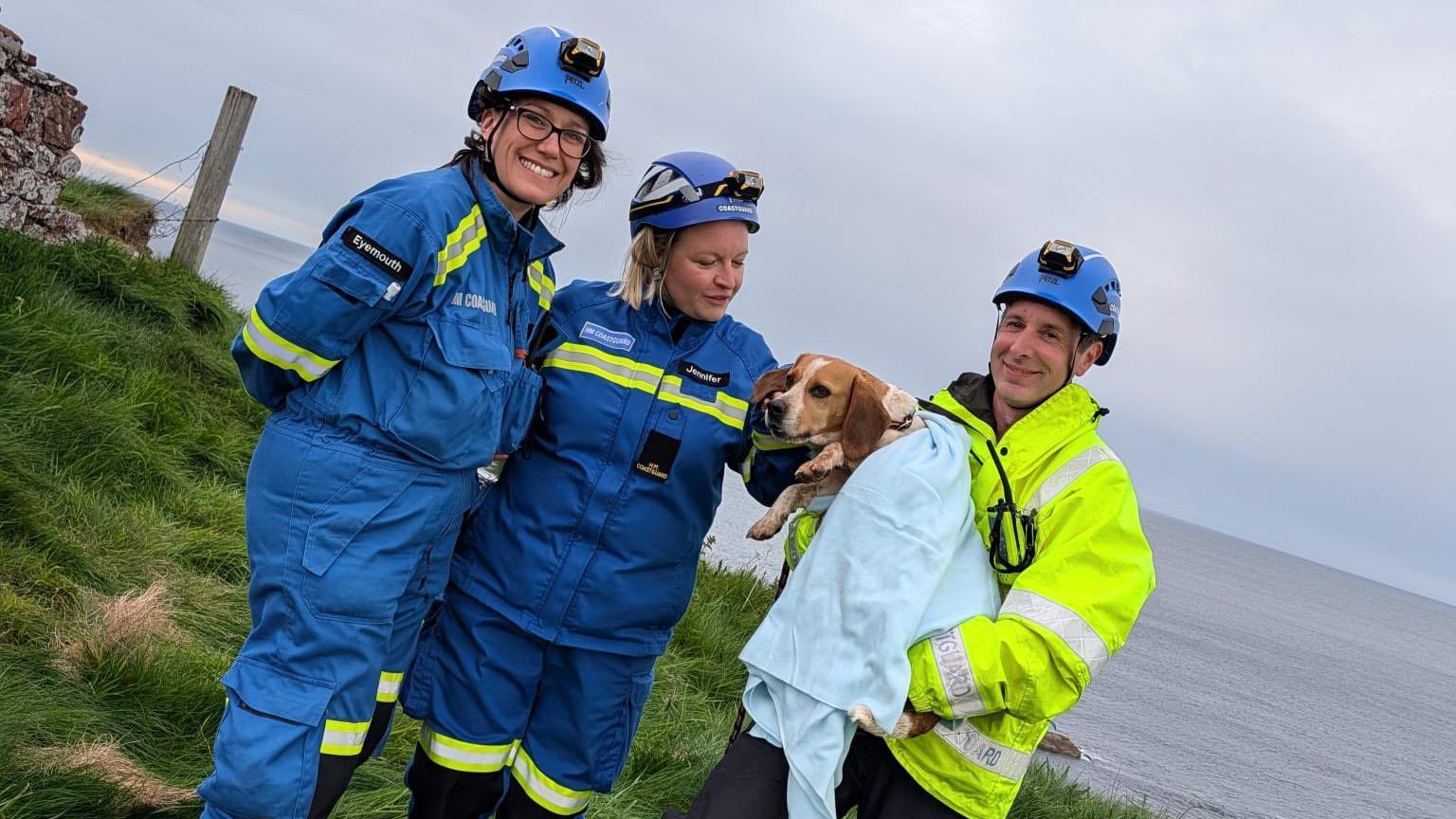 Image source, Eyemouth Coastguard Rescue Team
Kelly Stockdale (left) has been called out on all kinds of rescues in her time with the coastguard
Dr Kelly Stockdale, a senior lecturer in criminology who is also a coastguard rescue officer based in Eyemouth on the Berwickshire coast, told the BBC she was relieved that the minister had listened to their concerns.
"It is highly skilled work, we train for more than 100 hours to be a coastguard officer," she said.
"We continue that training with two hours every week and that's what allows us to be able to respond when a call for help comes."
She added: "Our main fear is if people were to leave because they couldn't afford to continue to commit, they couldn't lose that income, we'd not only have fewer people but also the skills and experience that would be lost."
Paul Arkison, GMB Scotland senior organiser, welcomed the U-turn but said it should never have been necessary.
He said: "The work and commitment of Coastguard Rescue Officers could not be more important but had been needlessly risked by this ill-considered and self-harming plan.
"These brave and skilled emergency workers do not do it for the money but the money allows them to do it.
"The decision to continue paying them for their time is welcome but should never have been necessary."



 English (US) ·
  French (CA) ·
  French (FR) ·