

 4 hours ago
3
PROTECT YOURSELF with Orgo-Life® QUANTUM TECHNOLOGY
Orgo-Life the new way to the future Advertising by Adpathway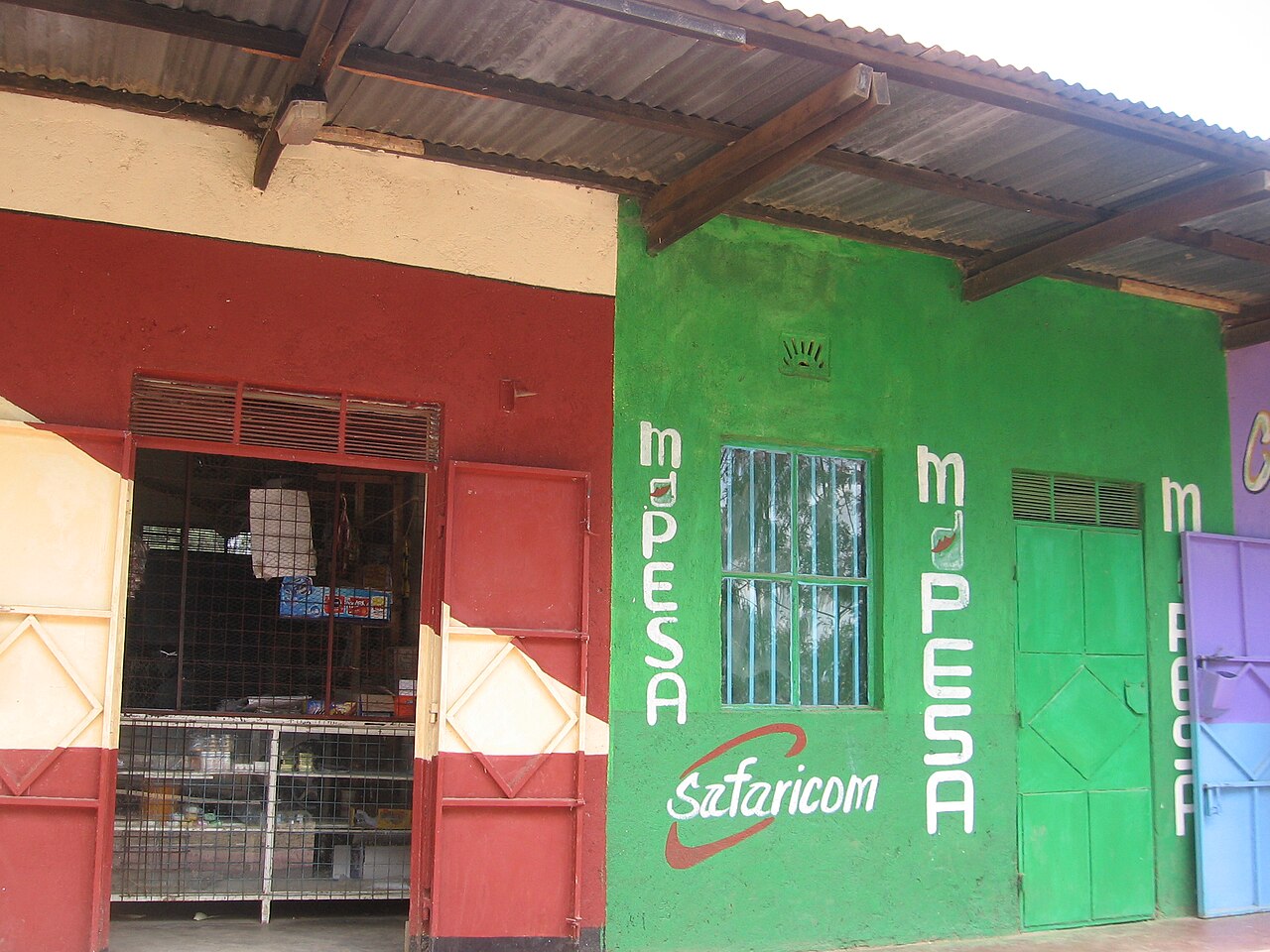
One-stop reference
Company Intelligence
Every listed company in Latin America — financials, ownership and structure for 1,450+ companies across 26 exchanges, in one place.
KENYA · COMPANIES
Key Facts
- —The country Kenya is an East African nation of about 53 million people, and it is where the M-Pesa mobile-money service began in 2007.
- —What happened Safaricom, Kenya’s largest mobile operator, launched Fuliza Ya Pochi on Thursday 22 October 2026, an overdraft for micro-merchants using its Pochi la Biashara business wallet.
- —Who qualifies Merchants must have used Pochi la Biashara actively for more than six months, and the credit limit depends on their business activity, Citizen Digital reported.
- —The numbers Pochi serves over 2 million merchants; Capital FM counts over 1 million qualifying, while Citizen Digital quotes 3.3 million eligible customers.
- —How it works The overdraft covers payments, supplier purchases, transfers and bills when the wallet is empty, and repayments come out of later Pochi receipts.
- —What it means for you Investors in Safaricom get a new lending line for small traders, and US firms that sell to Kenyan shops get customers with more cash to spend.
- —Still open The launch coverage gives no fee, interest cost or credit limits, and no date for when every eligible merchant gets access.
Safaricom has launched Fuliza Ya Pochi, an overdraft that lets small Kenyan traders keep paying suppliers and customers even when their business wallet is empty. The company, which runs the M-Pesa mobile-money service, opened it at Makongeni Market in Thika on Thursday 22 October 2026, Citizen Digital reported.
For foreign investors, the launch shows Safaricom pushing M-Pesa deeper into credit for the smallest businesses in one of East Africa’s largest economies. It adds a lending product on top of the M-Pesa payments network that Kenyan shops already use.
What Fuliza Ya Pochi Does for a Trader
Pochi la Biashara is a business wallet inside M-Pesa that lets a small seller receive customer payments while keeping that money apart from personal funds. Fuliza Ya Pochi lets an eligible seller keep spending from that wallet even when the balance is too low.
The overdraft covers completing transactions, paying suppliers, buying goods, sending money and settling utility bills. Repayments are taken automatically from the next payments that arrive in the wallet, so the trader does not have to make a separate repayment.
Follow this story
Get an email when there’s news on Kenya markets
Free. One email a day at most, and only when there is news. This also signs you up to our weekday newsletter, Africa Intelligence. Nothing arrives until you click the confirmation link, and you can stop either with one click. Privacy policy.
Who Qualifies and How to Reach It
A merchant must have used Pochi la Biashara actively for more than six months to qualify. Safaricom sets each credit limit from the merchant’s business activity, but the report gives no amounts.
Merchants reach the service through the Pochi Mini App on My OneApp, Safaricom’s all-in-one phone app, or by dialling *334#. The dial code works on basic phones, which matters for market traders who do not own smartphones.
How the Product Builds on Fuliza
Fuliza is the overdraft Safaricom introduced in 2019 for individual M-Pesa users, and Chief Executive Peter Ndegwa said it now serves about 17 million customers. Safaricom later added Fuliza ya Biashara for merchants on Lipa na M-Pesa, its till system for shops.
Fuliza Ya Pochi extends the same idea to the smaller Pochi wallets that many street and market sellers use. In May 2025 Safaricom offered Pochi users a fixed loan, Taasi Pochi, of KSh1,000 (about US$7.70) to KSh250,000 (about US$1,925), the Eastleigh Voice reported.
The Numbers Behind the Launch
Citizen Digital says Pochi la Biashara serves more than 2 million micro-merchants. It quotes Chief Executive Peter Ndegwa saying 3.3 million Pochi customers should be eligible for credit, as Fuliza serves 17 million people.
Capital FM, which also covered the launch on 22 October, reported that more than 1 million qualifying micro-businesses gain access to the overdraft. The outlets give different counts for who can borrow, and Safaricom has not said how many merchants qualify.
A Second Move on Trading Costs
The launch follows Safaricom’s recent cuts in what customers pay to transact, which Citizen Digital described again at the launch. It cut charges to zero on payments up to KSh200 (about US$1.54) and by half above that, capped at KSh50 (about US$0.39), for three months.
The Rio Times covered the earlier free M-Pesa payments for small businesses on 20 October. Cheaper payments bring more traders onto Pochi, and a bigger Pochi base gives Safaricom more payment history on which to judge who can borrow.
The Company Behind the Product
Safaricom is Kenya’s largest company and mobile operator, listed on the Nairobi Securities Exchange since 2008, and M-Pesa is its biggest earner. The Rio Times has a company profile of Safaricom and an explainer on how it makes money.
Vodacom, the South African telecom group, holds 55 percent of the company while a court appeal over the state’s stake sale runs. Lending to small traders adds a revenue line beyond calls and payments, which is why investors watch products such as this one.
What It Means for US Readers
Investors who hold Safaricom through emerging-market funds get a clear sign that the company wants to lend as well as process payments. US companies that sell goods or software to Kenyan shops could find those buyers better able to restock on credit.
Travellers and expats in Kenya will see more small sellers accepting Pochi payments, since the product ties lending to wallet use. The overdraft also carries the usual risk that small traders borrow more than their sales can repay.
What Is Not Known
The report does not say what Safaricom charges for the overdraft, what the minimum and maximum limits are, or how much it expects to lend. The report also names no repayment deadline or penalty for late repayment.
It is also open how many merchants meet the six-month rule on day one, as reports range from 1 million to 3.3 million. No date was given for when the service reaches every eligible merchant.
More: Kenya news in English, every day from The Rio Times.
Frequently Asked Questions
What is Fuliza Ya Pochi?
Fuliza Ya Pochi is an overdraft from Safaricom for small Kenyan merchants who use the Pochi la Biashara business wallet. It lets them pay and buy even when the wallet balance is too low.
Who can use Fuliza Ya Pochi?
Merchants who have actively used Pochi la Biashara for more than six months can qualify. Safaricom sets each limit from the merchant’s business activity.
How do merchants get the service?
They can use the Pochi Mini App on My OneApp or dial *334# on their phone. Repayments are taken automatically from later payments into the Pochi wallet.
How much does the overdraft cost?
Safaricom had not published the fee or interest in the launch coverage seen on 23 October 2026. Merchants should check the charges in the app before they borrow.
How is it different from regular Fuliza?
Regular Fuliza is an overdraft for individual M-Pesa users and serves about 17 million people. Fuliza Ya Pochi is for the business wallet used by micro-merchants.
Why does this matter for foreign investors?
Safaricom is Kenya’s largest listed company, and credit for small traders is a new way for it to earn from M-Pesa. The size of future lending will show whether the product adds meaningfully to revenue.
Sources: Citizen Digital, 22 October 2026; Capital FM, 22 October 2026; Eastleigh Voice, 21 May 2025.
Editorial responsibility: Matthias Camenzind, Editor-in-Chief · Editorial standards · Report an error
LatAm Markets: Live Signals → — real-time movers, turnover leaders and FX across Latin America.















 English (US) ·
 French (CA) ·
 French (FR) ·