

 4 hours ago
3
PROTECT YOURSELF with Orgo-Life® QUANTUM TECHNOLOGY
Orgo-Life the new way to the future Advertising by AdpathwayCUBA · IMMIGRATION
Key Facts
- —What is happening Federal courts in California and Florida revoked the citizenship of a Nigerian-born and a Cuban-born woman, the Justice Department says. Both orders came by consent judgment in October.
- —Why it matters The government calls denaturalization the final step against people who hid crimes to win citizenship, and it says the campaign will continue.
- —The numbers Order dates are Tuesday, 13 October and Wednesday, 14 October. The Florida case involved about US$5.3 million stolen from a casino between 2011 and 2015.
- —Who is who Vivian Chike Obichere, a Nigerian native, and Milagros Marileisis Acosta Torres, a Cuban native, were naturalized in 2013 and 2015. Brett Shumate leads the Civil Division.
- —Power Index Cuba ranks 14th of 14 in The Rio Times Latin America Power Index, with 22.5 points (October 2026 edition).
- —What to watch Whether either woman faces removal, and how many of the other 16 June cases end the same way. The release does not say.
- —What it means for you Naturalized citizens with an old conviction or an unreported arrest face a real risk, since the government says silence on a form can cost citizenship.
Courts in Florida and California revoked the citizenship of a Cuban-born and a Nigerian-born woman. The Justice Department says both hid crimes.
The US Justice Department says federal courts have stripped two women of their American citizenship for hiding crimes when they applied. One was born in Cuba and one in Nigeria.
The department announced the cases on Wednesday, 21 October, in release 26-1241. Both women agreed to the judgments, which matters to any naturalized US resident with an old criminal record.
What the Justice Department Announced
Brett Shumate, who leads the department’s Civil Division, said denaturalization is the final step to strip citizenship from those who conceal crimes. He added that the administration will continue its denaturalization campaign.
Denaturalization means a court cancels citizenship that was granted. The release says each court held that the woman illegally procured her citizenship.
Both cases ended by consent judgment, so neither went to a contested trial. In each, the parties filed a joint motion and the judge entered the order within about a week.
Follow this story
Get an email when there’s news on Cuba
Free. One email a day at most, and only when there is news. This also signs you up to our weekday newsletter, The LatAm Brief. Nothing arrives until you click the confirmation link, and you can stop either with one click. Privacy policy.
The Cuban Case in Florida
On Wednesday, 14 October, the US District Court for the Southern District of Florida revoked the citizenship of Milagros Marileisis Acosta Torres. The Justice Department says she naturalized in 2015.
The department says that earlier she joined a conspiracy to defraud a tribal casino in Florida. Her husband and several others allegedly stole millions of dollars with false credit vouchers.
The US attorney’s office in Miami named the casino as Miccosukee. It put the theft at about US$5.3 million from January 2011 to May 2015, using altered machines that printed false winning vouchers.
The release says Acosta Torres moved some of the proceeds through financial transactions to hide their source and avoid reporting rules. In 2020 she was convicted of conspiracy to commit money laundering.
She received six months in prison and was ordered to pay nearly US$150,000 in restitution, the department says. Casino.org reports she pleaded guilty in January 2020 and that the restitution came to US$147,970.
The department says she told officials in her 2015 application and interview that she had never committed a crime without being arrested. It calls that false because of the laundering conspiracy.
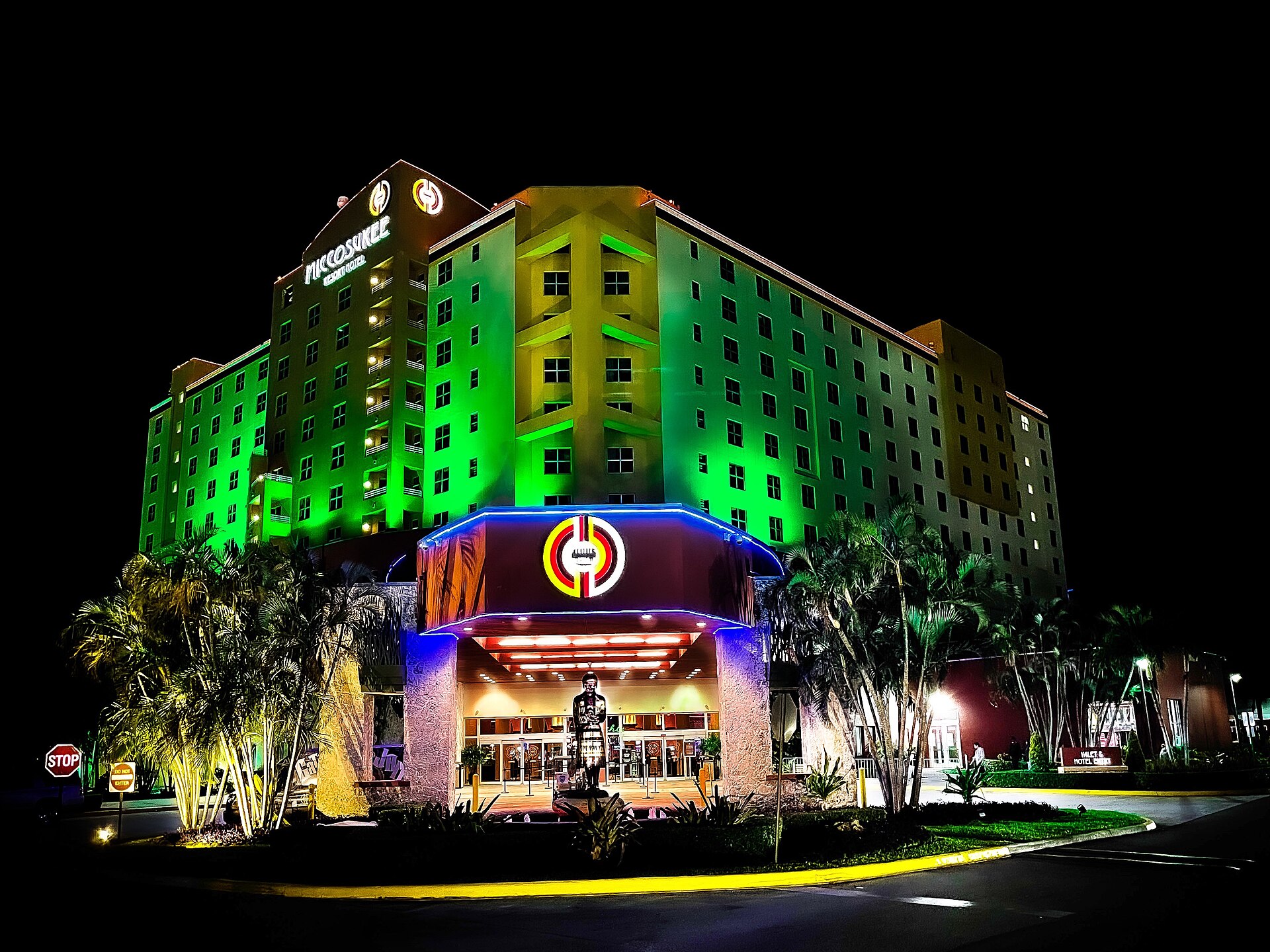
The department filed its complaint on Monday, 8 June, and the parties filed the joint motion on Tuesday, 13 October. The judge issued the judgment the next day.
Directorio Cubano reported in June that she was among 17 people targeted by complaints on 8 June. It said a second Cuban-born woman, Leidys Delmas García, was also named over a health-care fraud conviction.
The Nigerian Case in California
On Tuesday, 13 October, the US District Court for the Northern District of California revoked the citizenship of Vivian Chike Obichere. The Justice Department says she is a native of Nigeria.
In 1992 she allegedly used the name, Social Security number, birthplace and birthdate of a real US citizen to get a passport. The department says she renewed that passport in 2002.
She became a lawful permanent resident in 2003 under her true identity. In 2012 she tried to renew the false passport while applying to naturalize under her real name.
The department says she testified under oath in her naturalization interview that she had not used the alias, knowing this was false. She was naturalized in 2013.
In 2015 she was convicted of false statement in an application and use of a passport. The department says she admitted her lies and filed its complaint on Thursday, 30 July.
The parties filed the joint motion on Wednesday, 7 October, and the court entered judgment on Tuesday, 13 October. Nigeria is not in Latin America, so this part is context only.
What It Means for US Readers
A naturalization form asks about arrests and crimes, and a false answer can be grounds to revoke citizenship years later. Both women were convicted long before the 2026 orders.
Florida has a large Cuban community, so a case involving a Cuban native reaches local courts and voters. More is in the Cuba section, including Cuban deportation fines and ICE arrests of Cubans.
Anyone with a pending application should answer every question on the form fully and keep court records. A lawyer can advise on a past arrest, and the release does not say these two were singled out for their origin.
What Is Not Known
The release does not say whether either woman will now face removal or keep a green card. Losing citizenship does not by itself decide immigration status.
The text of the two consent judgments was not seen, and their terms beyond revocation are unknown. The release does not say whether the women were represented.
Delmas García’s case is not mentioned in the 21 October release, so its status is unknown. The name of the casino comes from the US attorney’s 2020 release, not from the denaturalization announcement.
The department’s own filings were not opened. The accounts of the earlier crimes are the government’s version, and the women’s own statements are not reported.
What Comes Next
The department says its denaturalization campaign will continue. The outcome of the other 16 June complaints is not reported in the sources seen, and courts decide each one separately.
Neither woman has an announced appeal or hearing. Any new filing would show up on the court dockets.
Frequently Asked Questions
What is denaturalization?
It is a court order that cancels US citizenship granted through naturalization. The Justice Department says these orders found the citizenship was illegally procured.
Who lost citizenship?
Vivian Chike Obichere, a native of Nigeria, on 13 October, and Milagros Marileisis Acosta Torres, a native of Cuba, on 14 October. Both agreed to the judgments.
Why did the court revoke their citizenship?
The Justice Department says each hid crimes during naturalization, a false passport scheme in one case and money laundering in the other. The courts held it was illegally procured.
How much money was involved in the Florida case?
Prosecutors put the casino theft at about US$5.3 million. Acosta Torres was ordered to pay nearly US$150,000 in restitution.
Does this mean the women will be deported?
The release does not say. Losing citizenship does not by itself decide whether a person may stay in the United States.
Sources: US Department of Justice, Office of Public Affairs, 21 October; US Attorney’s Office, Southern District of Florida, July 2020; Directorio Cubano, 11 June; Casino.org, 9 June; The St Kitts Nevis Observer, reprint of the DOJ release (all accessed 23 October 2026).





















 English (US) ·
 French (CA) ·
 French (FR) ·