

 5 hours ago
6
5 hours ago
6
PROTECT YOURSELF with Orgo-Life® QUANTUM TECHNOLOGY
Orgo-Life the new way to the future Advertising by AdpathwaySIERRA LEONE · POLITICS
Key Facts
- —The country Sierra Leone is a West African republic with elections due in 2028.
- —What happened The Supreme Court overruled an opposition objection on Wednesday, 7 October.
- —The cases Three related matters over the Constitutional Amendment Bill, 2025.
- —The dispute The opposition says the bill lacked two-thirds of 149 lawmakers.
- —The stakes Bill would cut presidential win threshold from 55% to 50% plus one.
- —Still open The hearing was set to resume Thursday; no ruling date yet.
The judges will decide whether Parliament lawfully passed election changes that would govern the 2028 race to succeed President Julius Maada Bio.
The Sierra Leone Supreme Court overruled an objection from the main opposition party on Wednesday, 7 October. The ruling let the court move ahead with three related cases over a disputed constitutional bill.
The bill would cut the vote share needed to win the presidency outright from 55% to 50% plus one vote. Its rules would apply to the 2028 election, when President Julius Maada Bio must leave office after two terms.
The opposition All People’s Congress (APC) says the bill never won the two-thirds majority that the 1991 Constitution demands. The court’s answer is expected to settle whether the changes can become law.
What the Sierra Leone Supreme Court Decided
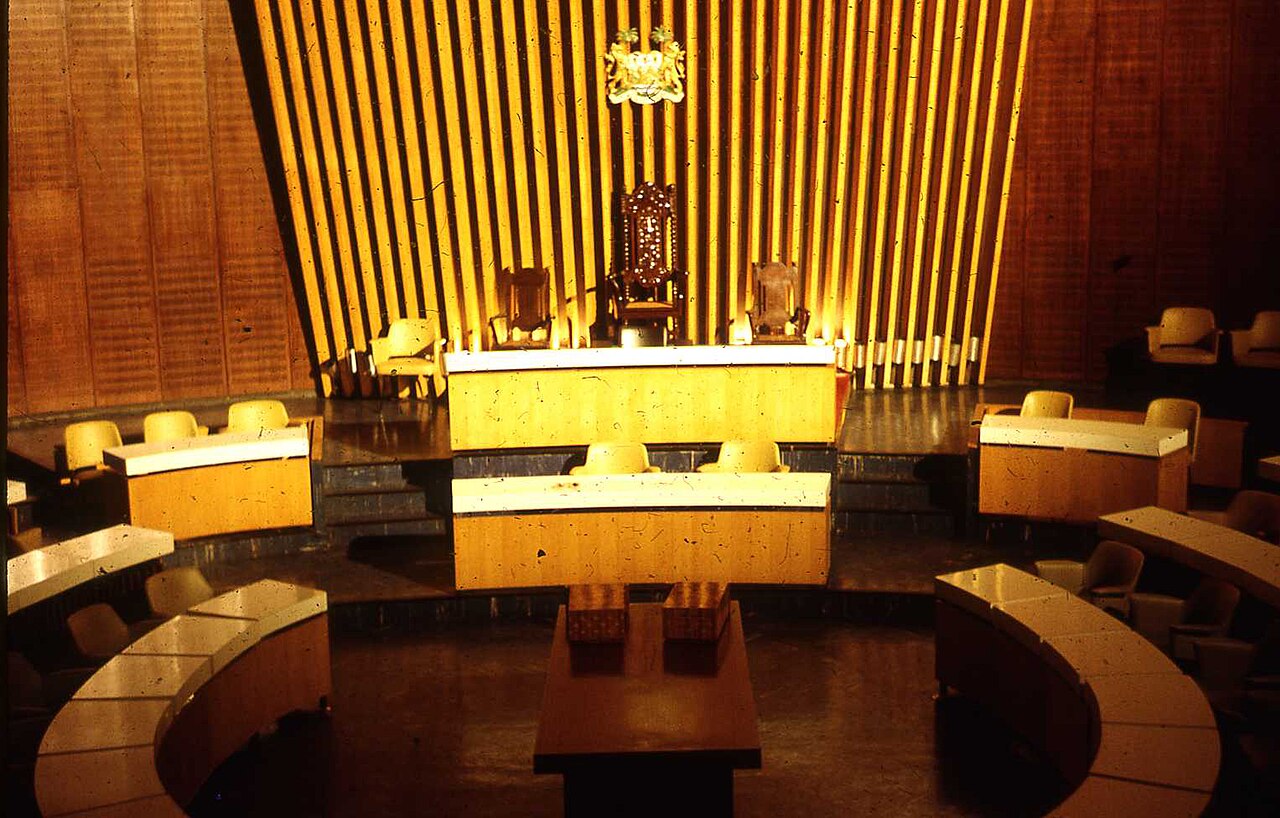
A five-member panel led by Chief Justice Komba Kamanda heard the matter in Freetown, the capital. The Judiciary had approved live broadcast, with 10 media houses accredited inside the courtroom, The Calabash Newspaper reported.
Joseph Fitzgerald Kamara, a former attorney-general who leads the APC’s legal team, opened with a procedural objection. He said the Attorney-General’s office, which acts for the state, had not filed its statement of case.
The defendants, including the state, had asked the court to merge the three matters into one hearing. Kamara argued they should first file statements of case in all three, Awoko, a Freetown daily, reported.
The exchange between Kamara and the Chief Justice turned tense, and Kamanda urged lawyers to keep professional decorum, Sierraloaded reported. The panel then took a short recess to weigh the point.
When the judges returned, they ruled against the APC side. “The objection is overruled,” the court said, according to Awoko, clearing the way for the merger request to be heard.
The court held that the defendants need not file statements in all three matters before arguing for a merger. It adjourned to Thursday, 8 October, at 10:00 a.m.
Awoko named two of the three matters. SC No. 8/2026 was brought by three members of Parliament, and SC No. 9/2026 by the APC and two co-plaintiffs.
Follow this story
Get an email when there’s news on Sierra Leone
Free. One email a day at most, and only when there is news. This also signs you up to our weekday newsletter, Africa Intelligence. Nothing arrives until you click the confirmation link, and you can stop either with one click. Privacy policy.
What the Bill Would Change
Parliament says it passed the Constitutional Amendment Bill, 2025, at a sitting on Monday, 10 August. Its best-known clause targets Section 42 of the Constitution, which now requires 55% of valid votes to win the presidency outright.
Under the bill, a first-round winner would need 50% of valid votes plus one, according to local reports of its text. A lower bar makes a runoff less likely in a close race.
The bill would also change parliamentary elections, including the use of proportional representation, Sierraloaded reported. It would set a minimum 30% quota for women in political nominations.
It would also change whether dual citizens may run for Parliament and hold public office, according to Sierraloaded. Today, Section 76 bars anyone who voluntarily took another citizenship, such as American, from election to Parliament.
Why the Two-Thirds Vote Is Disputed
Section 108 of the Constitution sets a high bar for amendments. A bill needs the votes of at least two-thirds of all Members of Parliament at its second and third readings.
Parliament has 149 seats, so that means at least 100 votes. Of the 135 elected seats, Bio’s governing Sierra Leone People’s Party (SLPP) holds 81 and the APC 54, according to Parliament.
The other 14 seats belong to Paramount Chiefs, traditional rulers elected one per district. On those figures, the SLPP’s 81 seats alone fall 19 short of the bar.
On 10 August, Speaker Segepoh Solomon Thomas ruled that a simple majority sufficed at the clause-by-clause stage, Freetown outlet Premier Media reported. Most APC lawmakers walked out in protest and missed the final vote.
The APC says the bill passed with only 96 votes. Awoko put the final tally at “99 or 100,” including two APC lawmakers who broke ranks.
Bio has withheld his signature. On Monday, 14 September, he referred the dispute to the Supreme Court under Section 122 of the Constitution.
That clause lets a president ask the court for a judicial opinion on any petition he must finally decide. A government statement said the issue “must be underpinned by constitutional clarity,” the Sierra Leone Telegraph reported.
Where the Speaker Was
Speaker Thomas, who presided over the 10 August sitting, is named as a defendant in one of the cases, Sierraloaded reported. He did not attend Wednesday’s hearing.
SLPP lawmaker Hindolo Moiwo Gevao told the panel the Speaker was unwell. Parliament’s Public Relations Department called that “completely unfounded,” saying the State was “properly represented.”
It said Thomas was on official duty in Conakry, capital of neighbouring Guinea, at the opening of its new legislature. Premier Media reported that he spoke there on Monday, 5 October.
What It Means for US Readers
The case shapes the rules for the 2028 race to succeed Bio, who cannot run again under the two-term limit.
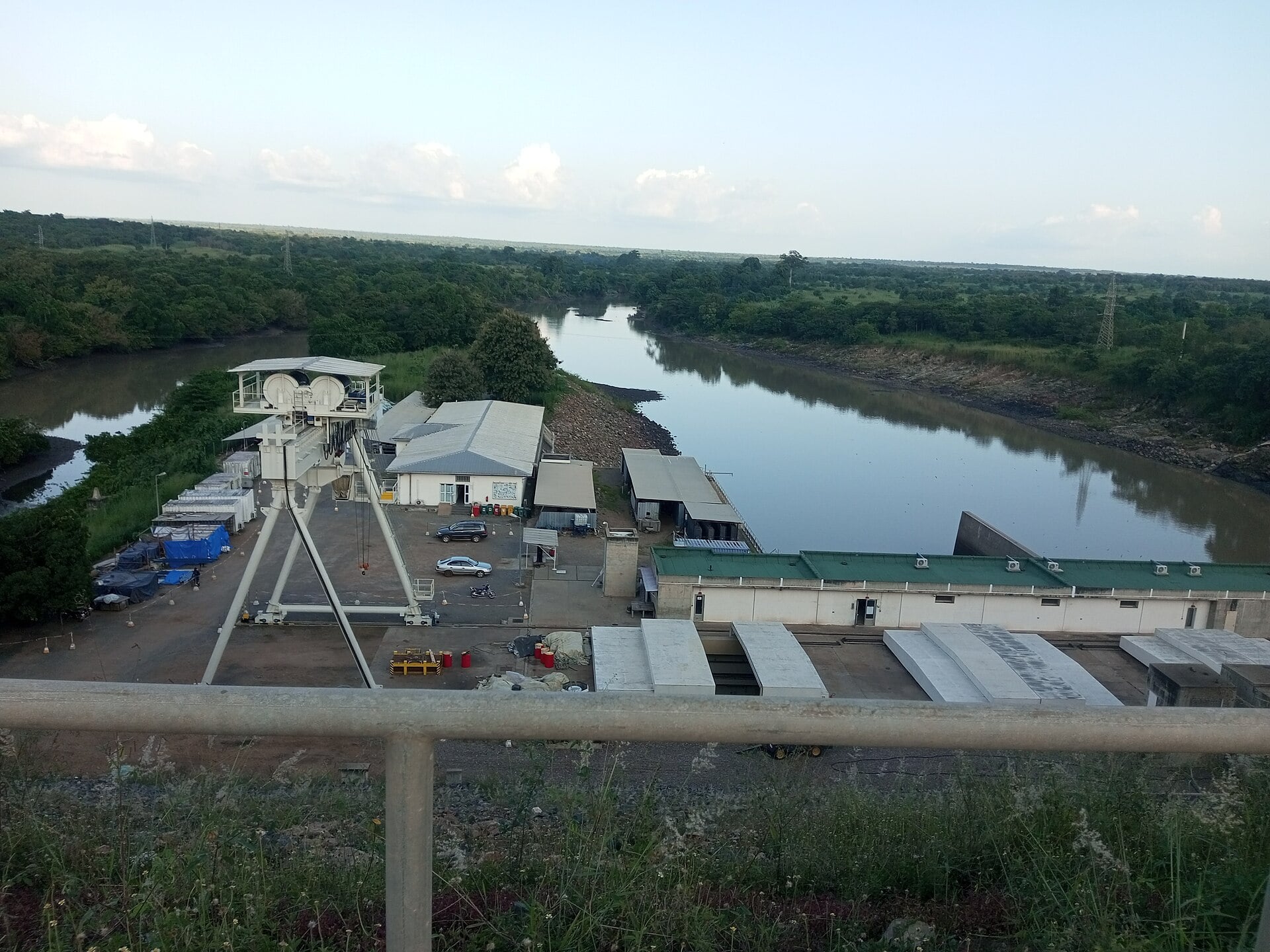
The United States has money on the line. The Millennium Challenge Corporation (MCC), a US aid agency, signed a US$480 million compact with Sierra Leone on 27 September 2024.
The five-year grant aims to bring affordable, reliable electricity to 4.6 million people, according to MCC. MCC’s yearly country scorecards grade partners on indicators such as rule of law and government accountability.
The dual-citizenship clause speaks directly to Sierra Leonean Americans who hold two passports. Section 76 now keeps them out of Parliament, and the bill would change those rules.
What Is Not Known
The third matter before the court was not named in the reports. It is also not known whether the judges will merge all three cases, or what happened at Thursday’s session.
No date has been set for the Sierra Leone Supreme Court’s final opinion. It is unclear how quickly Bio would act on it, or whether he must follow it.
An official vote count for the final readings could not be found; reported tallies range from 96 to “99 or 100.” It is not known whether Speaker Thomas will appear in court in person.
What Comes Next
The panel was due to hear the merger request on Thursday, 8 October, at 10:00 GMT. Arguments on whether the bill met the two-thirds rule are expected to follow.
Wednesday’s ruling by the Sierra Leone Supreme Court does not mean the bill is valid or void. Until the court rules and Bio signs, the 1991 rules, including the 55% threshold, remain in force.
Frequently Asked Questions
What is Sierra Leone’s Constitutional Amendment Bill, 2025?
It is a package of changes to the 1991 Constitution that Parliament says it passed on 10 August. It would lower the presidential win threshold from 55% to 50% plus one and change parliamentary election rules.
Why does the opposition say the bill did not pass?
The Constitution requires two-thirds of all Members of Parliament, or 100 of 149, at the second and third readings. The APC says only 96 members backed the bill after its lawmakers walked out.
What did the Supreme Court decide on 7 October?
It overruled an APC objection and agreed to hear the defendants’ request to merge three related cases. It did not rule on whether the bill itself is valid.
Has President Bio signed the bill?
No. He referred the dispute to the Supreme Court on 14 September and has withheld his signature while the court considers it.
Why does this matter to Americans?
The bill shapes the 2028 race and the rights of dual citizens, including Sierra Leonean Americans, to run for Parliament. The US also signed a US$480 million energy compact with Sierra Leone in 2024.
Sources: Constitution of Sierra Leone, 1991 (Sections 42, 46, 76, 108, 122); Parliament of Sierra Leone; Millennium Challenge Corporation, Sierra Leone; Awoko; Sierraloaded (hearing); Sierraloaded (bill and objection); Sierraloaded (Parliament statement); The Calabash Newspaper; Premier Media (Conakry); Premier Media (10 August sitting); Premier Media (APC statement); Awoko (10 August vote); Sierra Leone Telegraph (all accessed 8 October 2026).












 English (US) ·
  French (CA) ·
  French (FR) ·