

 5 hours ago
6
5 hours ago
6
PROTECT YOURSELF with Orgo-Life® QUANTUM TECHNOLOGY
Orgo-Life the new way to the future Advertising by AdpathwayTOGO · ENERGY
Key Facts
- —The country A small coastal West African state built around the port of Lomé.
- —What happened The cabinet adopted a draft electricity sector law on Tuesday, 6 October.
- —The changes Eligible customers, third-party grid access, storage and stronger independent producers.
- —The numbers Utility CEET sees demand rising 32% to 2,753 GWh by 2030.
- —What it means for you Private producers could sell power directly to large business users.
- —Still open Parliament must pass it; tariff and regulator changes are unpublished.
Togo’s cabinet approved a draft electricity law opening the grid to private producers, as demand is projected to rise 32% by 2030.
Togo’s Council of Ministers adopted a draft electricity sector law on Tuesday, 6 October, according to the government-aligned portal République Togolaise. The bill creates an “eligible customer” status with third-party access to power grids and strengthens independent producers.
For foreign investors, it signals that Togo, a small West African port economy, wants private capital in power generation. The state-owned utility CEET expects consumption to rise from 2,085 GWh in 2024 to 2,753 GWh in 2030, up nearly 32%.
The cabinet is led by Faure Gnassingbé, President of the Council, who holds executive power under Togo’s 2024 constitution. The business daily Togo First reported the decision on Thursday, saying the text aims to modernise the sector’s legal framework.
What the Draft Togo Electricity Law Changes
The draft Togo electricity law recognises electricity storage, according to the cabinet summary. It also prepares a rollout of smart meters, with cybersecurity requirements attached.
A key change is the eligible customer status, combined with third-party access to the grid. In power-market practice, eligible customers are large users allowed to buy from suppliers other than the national utility.
The bill strengthens the role of independent power producers, private companies that build plants and sell electricity. It encourages self-generation, self-consumption and the injection of surplus renewable power into the grid.
Special economic zones will be able to diversify supply through self-generation and direct contracts with national or regional producers. Togo First said the aim is to improve availability, control business costs and attract industrial investors.
Isolated local grids will be connected step by step to the national network. The cabinet named three overall goals: stronger governance, more investment and a sounder financial balance for the sector.
The current framework rests on a 2000 electricity sector law and a 2018 law promoting renewable power, according to the regulator ARSE. ARSE, the Electricity Sector Regulatory Authority, advises on tariffs and helps supervise concession tenders.
Follow this story
Get an email when there’s news on Africa
Free. One email a day at most, and only when there is news. This also signs you up to our weekday newsletter, Africa Intelligence. Nothing arrives until you click the confirmation link, and you can stop either with one click. Privacy policy.
Why Togo Is Moving Now
Demand is climbing steadily. Peak consumption reached 360 MW in the first quarter of 2026 and is growing about 10% a year, Togo First reported.
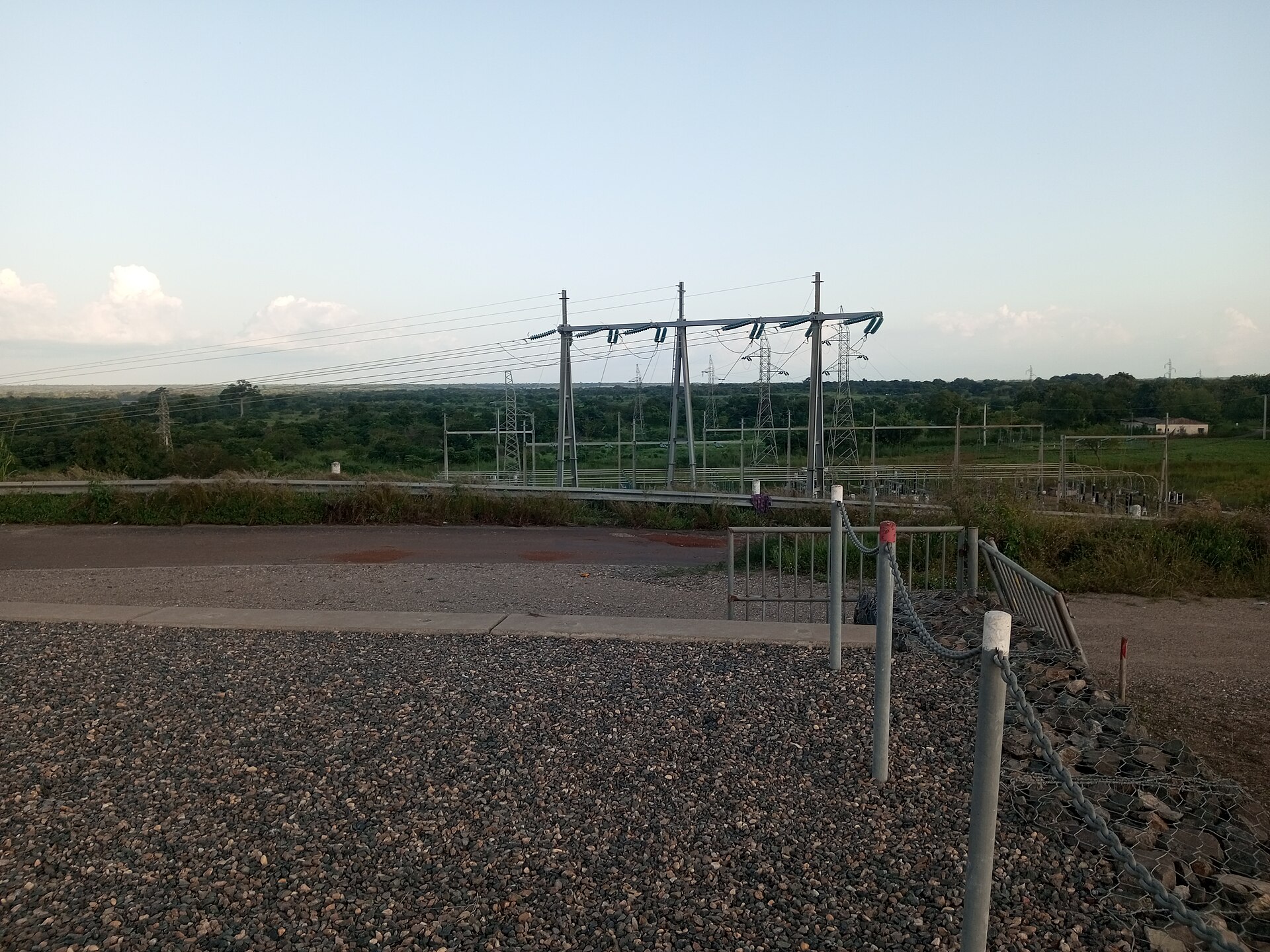
For scale, one large US nuclear reactor generates roughly 1,000 MW. Togo’s total installed capacity was 327 MW in 2024, with renewables at 41.24% of the mix, according to Togo First and ARSE.
Togo First named the Adétikopé Industrial Platform near Lomé as one of the main drivers of demand. Steady power has become a key factor for industrial investors there, it reported in July.
Supply remains fragile. CEET warned on Monday, 5 October, that WAPCo pipeline maintenance would halt gas deliveries to thermal plants from 7 to 22 October.
WAPCo, the West African Gas Pipeline Company, carries natural gas serving Nigeria, Benin, Togo and Ghana. CEET said it would burn more expensive liquid fuels instead, but warned some neighbourhoods could still face outages.
The government is also preparing a 120 MW dual-fuel plant at the Lomé thermal power station site, with World Bank support. The ministry held an early market consultation on Friday, 18 September, and plans to start selection in the fourth quarter.
The Money Behind Togo’s Power Push
Togo’s 2026 budget earmarks nearly XOF 70 billion (about US$119 million) for energy policy, Togo First and APA News reported. The money covers 317 localities to electrify, the Tinga fund for poorer households, a Blitta solar extension and new 161 kV lines.
CEET’s technical and commercial losses run at nearly 16% a year, about XOF 30 billion (about US$51 million) in lost revenue. That means roughly one kilowatt-hour in six is lost or never billed, according to official data cited by Togo First.
Smart meters are one answer. A World Bank-financed tender for 5,200 smart metering devices, including 1,200 modems and 4,000 data concentrators, closes on Wednesday, 28 October.
The tender is funded under the US$200 million IDEA electricity access project, a credit from the World Bank’s International Development Association. Conversions in this article use 585.82 CFA francs per US$1, the market rate on 8 October 2026.
The government’s stated goal is universal electricity access by 2030, under a national energy compact dated September 2025. Official data put electricity coverage at 75% at the end of 2025, Togo First reported.
That compact sits within Mission 300, a World Bank and African Development Bank drive to connect 300 million Africans by 2030. Togo First said the new framework could help draw private capital toward universal access.
What It Means for US Readers
For US energy investors, the bill points to a market where private producers could sell directly to industrial users. Direct contracts in special economic zones could reduce reliance on a single state buyer, if the final rules allow it.
Chevron, the US oil major, is the largest shareholder in WAPCo with about 37%, according to the pipeline company. The pipeline’s reliability shapes output at Togo’s gas-fired plants, as this month’s maintenance shows.
Official US development support has shrunk. The Millennium Challenge Corporation (MCC), a US aid agency, ended two Togo programmes after a board vote in August 2025.
Those were a threshold programme covering telecoms and land, signed in February 2019, and a proposed compact, both terminated in December 2025. MCC’s pages list no power-sector projects for either.
US engine and turbine suppliers could compete in the 120 MW tender if it is open to international bidders. Travellers may face local power cuts in Togo until 22 October, during the pipeline maintenance.
What Is Not Known
The full text of the bill has not been published. The cabinet summary sets no size threshold for eligible customers and no timetable for opening the grid.
It does not say how the powers of the regulator ARSE or the tariff rules will change. Nor does it say whether CEET keeps exclusive rights in distribution.
It is unclear whether the bill replaces the 2000 electricity law or amends it. No investment target or cost estimate was attached to the announcement.
What Comes Next
The bill now goes to Parliament, which must pass it before it takes effect. Implementing decrees would then set detailed rules on grid access, storage and smart meters.
In the near term, the pipeline maintenance runs until 22 October and smart meter bids close on 28 October. Selection for the 120 MW plant is due to begin in the fourth quarter.
The summary does not mention household tariffs. Nothing in it says CEET will be privatised.
Frequently Asked Questions
What did Togo’s cabinet approve?
It adopted a draft law on the electricity sector on Tuesday, 6 October. Parliament must still pass it before it takes effect.
What is an eligible customer?
In power markets, it is a large user allowed to buy electricity from a supplier other than the national utility. Togo has not yet published the size threshold.
Who supplies electricity in Togo today?
The state-owned utility CEET runs distribution, drawing on hydro, solar and gas-fired plants. The regulator ARSE puts renewables at 41.24% of the mix at the end of 2024.
Does the bill matter to US companies?
Chevron is the largest shareholder in WAPCo, whose pipeline feeds Togo’s gas-fired plants. US power developers could gain a clearer route to industrial buyers if the bill passes.
When will the new law take effect?
No date has been given. Parliament must vote first, and implementing decrees would then set the detailed rules.
Sources: République Togolaise, Council of Ministers report; Togo First (French); Togo First (English); ARSE, missions and legal basis; Togo First, CEET pipeline notice; Togo First, CEET demand projections; Togo First, 120 MW plant; Togo First, smart meter tender; APA News, 2026 energy budget; Togo National Energy Compact (World Bank); WAPCo, shareholders; Millennium Challenge Corporation, Togo (all accessed 8 October 2026).






















 English (US) ·
  French (CA) ·
  French (FR) ·