

 2 months ago
28
2 months ago
28
PROTECT YOURSELF with Orgo-Life® QUANTUM TECHNOLOGY
Orgo-Life the new way to the future Advertising by AdpathwayBefore you send or deliver aid, understand the logistics required to ensure your donation reaches those in need
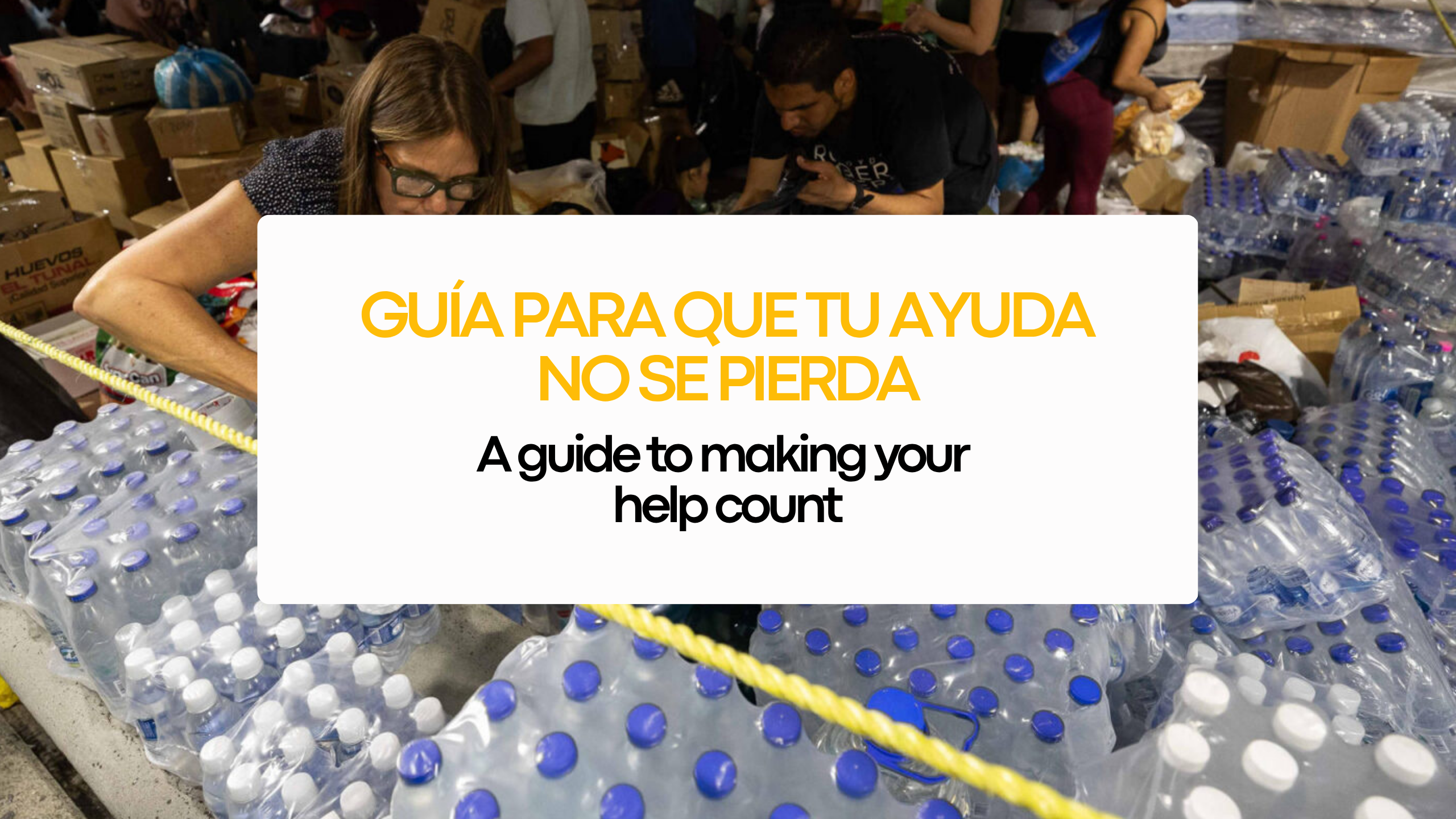
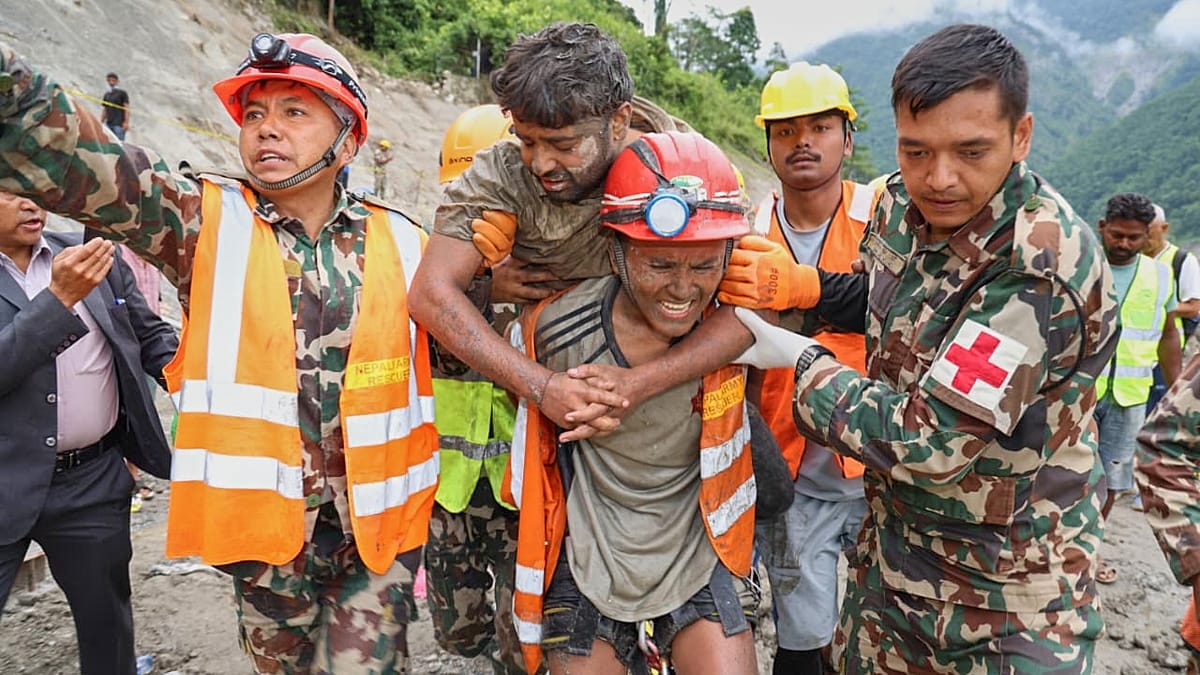
Venezuela is experiencing a new tragedy of dramatic proportions, and we all want to do our part. Read these recommendations to ensure your contribution does not go to waste along the way.
If you live abroad:
- Donating money is the best option: Individuals and organizations on the ground in Venezuela can deploy monetary aid more immediately. The Caracas Chronicles team has put significant effort into verifying several fundraising campaigns. Another good option is sending money to acquaintances in Venezuela so they can purchase supplies to donate locally.
- Check the details concerning your nearest donation centers: If you want to donate physical goods, look into local collection centers before bringing your items. Two key questions to ask are: Is there already a logistics network in place to ship to Venezuela? When is the aid expected to arrive? This will help you determine what you can donate and give you confidence that your contribution will reach its destination.
The most critical supplies reported are non-perishable food, hydration, medicine, and medical supplies, followed by clothing and personal hygiene products. Shelters also require mattresses or sleeping mats, sheets, and towels.
If you are in Venezuela:
- Do not rule out contributing in hard currency: You can donate cash, just like your friends abroad. Many organizations accept both bolívares and foreign currency.
- Verify what your local donation center needs and accepts: If you want to donate physical goods, first check what type of supplies different collection and shelter centers are accepting, and whether they even have the capacity to receive them. NGOs, schools, and universities publish all these details on their social media channels. If you received information through a messaging platform, verify that it is still valid at the moment you plan to drop off your donation. Today, in the first days following the tragedy, the most critical supplies reported are non-perishable food, hydration, medicine, and medical supplies, followed by clothing and personal hygiene products. Shelters also require mattresses or sleeping mats, sheets, and towels.
- Avoid disrupting logistics in affected areas: It is preferable to drop off donations for victims at designated collection centers and shelters rather than delivering them directly to heavily affected areas or hospitals. Doing the latter could disrupt the work of first responders and healthcare personnel, and the donations might not reach those who need them most.
- Check what first responders need: If you are making donations to support the work of rescuers and healthcare personnel, verify first what types of supplies and equipment are required. Do not deliver materials to the hardest-hit areas without confirming they meet the teams’ specific needs; otherwise, you could hinder their operations.
- Instructions by type of non-perishable food: If you are donating non-perishable food, keep in mind there are two types: those that require cooking and those that are ready-to-eat. If the food is going to be delivered directly to affected areas, ready-to-eat items are preferred. If it is going to shelters equipped for cooking, or to volunteers preparing meals for distribution, any type of non-perishable food is acceptable.
- If you want to cook, understand the logistics: If you want to help by preparing meals, it is crucial to know—before you start cooking—where you will take the food and how much is needed. Reports indicate that while some areas are receiving an excess of prepared food (and have even refused it to prevent spoilage), other areas are receiving nothing. If you are not certain that the cooked food can be received, it is better to donate the non-perishable ingredients instead.
- Want to donate blood? Check the center’s requirements: If you want to donate blood, verify—before heading to the health center—that they have the capacity to take you and what the donor eligibility criteria are. This includes blood type, age, weight, medical history, tattoo restrictions, current illness symptoms, among others.
Caracas Chronicles is 100% reader-supported.
We’ve been able to hang on for 22 years in one of the craziest media landscapes in the world. We’ve seen different media outlets in Venezuela (and abroad) closing shop, something we’re looking to avoid at all costs. Your collaboration goes a long way in helping us weather the storm.










 English (US) ·
  French (CA) ·
  French (FR) ·