

 4 hours ago
2
4 hours ago
2
PROTECT YOURSELF with Orgo-Life® QUANTUM TECHNOLOGY
Orgo-Life the new way to the future Advertising by AdpathwayGermany · AUTOS
Key Facts
- —What happened Volkswagen’s supervisory board unanimously approved a plan to cut 50,000 more jobs.
- —How big Total planned cuts reach about 100,000 by 2030, roughly 15% of Volkswagen’s workforce.
- —What happens Four German plants may lose car production between 2031 and 2034: Hanover, Emden, Zwickau, Neckarsulm.
- —Why The company cites tariffs, overcapacity, and competition from Chinese rivals.
- —The catch No plant in Brazil, Mexico, or Argentina is named in this plan.
- —What comes next The company has not said what the plan means for Latin America.
Volkswagen’s supervisory board approved the cuts on 3 September 2026, adding to 50,000 already under way. Four German plants may lose car production after 2031, but no Latin American plant is named.

One-stop reference
Company Intelligence
Every listed company in Latin America — financials, ownership and structure for 1,450+ companies across 26 exchanges, in one place.
Volkswagen will cut about 50,000 more jobs and put car production at four German plants at risk. Its supervisory board approved the plan on 3 September 2026.
Board Approval
Volkswagen’s supervisory board unanimously approved the plan, called Future Plan 2030, on 3 September 2026. Reuters and The Associated Press (AP) reported the decision.
The supervisory board is a German corporate body that oversees management. It must approve major decisions like large job cuts, unlike a simple management board.
Scale of the Cuts
The plan adds around 50,000 positions to the 50,000 already being cut. That brings the total to about 100,000 by 2030, according to Reuters.
The new cuts roughly double the workforce reduction already under way, Reuters reported. Volkswagen called it a further fundamental adjustment of global workforce capacity.
The reductions include management jobs, AP reported. About 100,000 positions equal roughly 15% of Volkswagen’s 662,942 employees at the end of 2025.
Investment and Financial Targets
Volkswagen plans to spend €135 billion (US$157 billion) on investment and research between 2027 and 2031. That is part of the Future Plan 2030 restructuring, Reuters reported.
The company is targeting a 9% operating margin by 2030, up from 3.8% in the first half of 2026. It also wants to sell 9 million vehicles a year, Reuters reported.
Volkswagen plans to cut its model range by about half and reduce complexity by about 75% by 2035. The goal is tailored platforms for Western and Eastern markets, Reuters reported.
German Plants at Risk
Volkswagen cannot guarantee car production at four German plants once current models phase out. The plants are Hanover, Emden, Zwickau and Neckarsulm, Reuters reported.
Existing model allocations run out between 2031 and 2034, depending on the site. Volkswagen is weighing other uses for the plants but has not announced a final closure.
European car plants have more than 500,000 units of excess capacity combined, Reuters reported. Volkswagen cited that overcapacity as a reason for the plan.
What Each Plant Builds
Emden builds the ID.4 and ID.7 electric models, and Zwickau builds only electric vehicles, Electrek reported. Zwickau is one of Volkswagen’s main electric-car plants in Germany.
Hanover builds the ID. Buzz and ID. Buzz Cargo electric van, Electrek reported. Neckarsulm, an Audi plant, builds the e-tron GT plus combustion and plug-in hybrid Audi models.
Reasons Behind the Plan
Volkswagen says it faces tariffs, overcapacity and competition from Chinese rivals. These pressures have forced the company to reduce its global workforce.
The plan is part of a global workforce capacity adjustment, Reuters reported. No further details on specific market impacts were given.
Executive and Board Reaction
‘This is a strong signal for the future of the Volkswagen Group,’ CEO Oliver Blume said in a Volkswagen Group statement. ‘We are taking responsibility for our entire workforce, for our partners and for industrial jobs worldwide.’
Supervisory board chairman Hans Dieter Pötsch said the vote showed the transformation was being driven forward with full force. The board’s approval was unanimous, Volkswagen said.
Union and Worker Response
Reuters reported that labour representatives supported the plan but wanted the burden not to fall only on employees. This was part of the German restructuring framework.
Works council chief Daniela Cavallo called the plan ‘a necessity to lead our Group successfully into the next decade.’ She said the burden should not fall on employees alone.
‘In this crisis situation, we fought hard for good solutions,’ said IG Metall chairwoman Christiane Benner. The union said the executive board now has a foundation for the tasks ahead.
Prior Restructuring Rounds
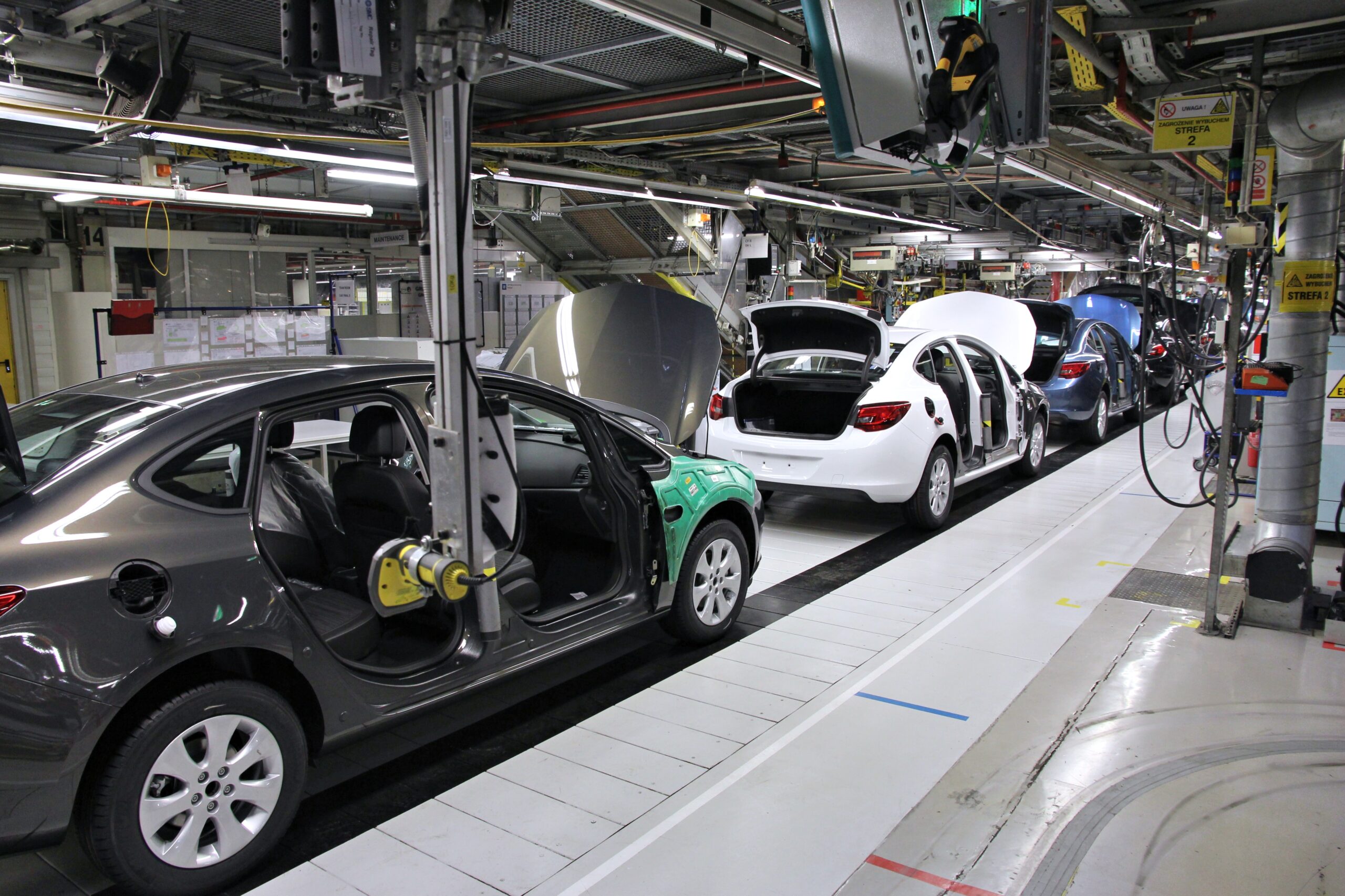
Volkswagen and IG Metall agreed in December 2024 to cut 35,000 jobs at German plants by 2030, AP reported. Volkswagen later raised that target group-wide.
By this year, the existing cut target stood at 50,000 jobs worldwide, Reuters reported. The 3 September plan adds another 50,000 on top of that.
What About Latin America?
No Volkswagen plant in Brazil, Mexico or Argentina has been named in this plan. The company has not said what the restructuring means for Latin America.
Reuters and AP did not mention any Latin American site in their reports. Do not assume any factory in the region is affected.
Volkswagen’s Latin American Footprint
Volkswagen has run car plants in Latin America for decades. Its Anchieta plant in Brazil, opened in 1959, is the group’s oldest factory outside Europe, according to company data.
Brazil also has Volkswagen plants at Taubaté, Curitiba, Resende and São Carlos, making cars, trucks and engines. Argentina has plants at Pacheco and Córdoba.
Mexico’s Puebla plant is Volkswagen’s largest factory outside Germany, with more than 13,000 workers. None of these plants is named in the 3 September restructuring plan.
Separate Mexico Report
A Spanish-language report by Infobae on 31 August 2026 described a separate cut at Volkswagen de México in Puebla. That report is not part of the 3 September global decision.
Local reports gave a range of roughly 786 to 1,300 affected workers. Neither the company nor the union confirmed an exact number, Infobae reported.
The Puebla union, SITIAVW, said it never agreed to or approved any layoffs, Infobae reported. The eliminated shift was one of three used to build the Jetta and Tiguan.
What Happens Next
Volkswagen has not given a full timeline for the new cuts beyond the 2030 target. The company has not said which countries will lose the additional jobs.
The plan must still be negotiated with unions and works councils in Germany. Further announcements are expected as the company carries it out.
Background on Volkswagen
Volkswagen is one of the world’s largest carmakers, with headquarters in Wolfsburg, Germany. It employed 662,942 people worldwide at the end of 2025, per its annual report.
In Germany, large companies have a supervisory board that watches over management. It includes representatives of shareholders and workers.
This board must approve major decisions like plant closures and mass layoffs. Its approval on 3 September makes the plan official.
Frequently Asked Questions
How many jobs will Volkswagen cut?
Volkswagen will cut about 50,000 more jobs worldwide. This adds to 50,000 already under way, making about 100,000 by 2030.
Which plants are affected?
Volkswagen cannot guarantee car production continues past 2031 at four German plants: Hanover, Emden, Zwickau and Neckarsulm. No Latin American plant is named.
Why is Volkswagen cutting jobs?
The company cites tariffs, overcapacity and competition from Chinese rivals. These factors have forced a global workforce adjustment.
Does this affect Volkswagen plants in Brazil, Mexico or Argentina?
No plant in those countries has been named in this plan. The company has not said what it means for Latin America.
Sources: Reuters; AP; Infobae; Electrek; Volkswagen Group.



















 English (US) ·
  French (CA) ·
  French (FR) ·