

 5 hours ago
5
5 hours ago
5
PROTECT YOURSELF with Orgo-Life® QUANTUM TECHNOLOGY
Orgo-Life the new way to the future Advertising by AdpathwayBrazil · Business
Key Facts
—The new thread. Major Brazilian refineries sold more than 100 million liters of naphtha to a firm under investigation.
—A big name. One supplier was Riograndense, co-owned by Petrobras, Braskem and Ultrapar.
—The accused. The buyer, Petrodansk, allegedly diverted the naphtha to gas stations to blend with petrol.
—The gang. Prosecutors link the scheme to the PCC, Brazil’s largest criminal organization.
—The window. The alleged diversion ran from June 2023 to May 2026, per a São Paulo court filing.
—The new risk. A US move to brand the PCC a terrorist group raises the stakes for legitimate suppliers.
A widening Brazil fuel fraud investigation now reaches major refineries that sold vast quantities of a petrol ingredient to a firm accused of feeding crime-linked gas stations.

A criminal scheme that has dogged Brazil’s fuel market just reached deeper into the legitimate energy industry. Some of the country’s best-known refiners are now caught in its path.
According to documents seen by Reuters, Brazilian refineries sold more than one hundred million liters of naphtha to a company at the center of a fraud inquiry. Naphtha is a cheap petroleum product that can be illegally blended into petrol.
How the Brazil fuel fraud scheme worked
At the heart of the case is a solvent producer called Petrodansk. São Paulo prosecutors accuse it of diverting naphtha to filling stations rather than to the industrial buyers it claimed to serve.
The mechanics, as investigators describe them, were deliberately murky. The firm allegedly issued fake receipts for solvent sales to dozens of shell companies while actually shipping naphtha to fuel distributors.
Those distributors then blended the naphtha into petrol sold at the pump. The result is a cheaper product that pads profits while cheating both the taxman and the motorist.
Some of the supposed buyers did not even exist. In one striking example, investigators say millions of liters went to a firm with no employees run by a convicted drug trafficker on welfare in a distant state.
The scale of the alleged operation is striking. Naphtha is normally bound for the chemicals industry, so steering vast volumes of it toward filling stations is a clear red flag for anyone tracking the trade.
Tracking that flow took real detective work. Investigators followed truck license plates to show that cargoes supposedly carrying solvent were in fact delivering naphtha to fuel outlets.
Why big companies are exposed
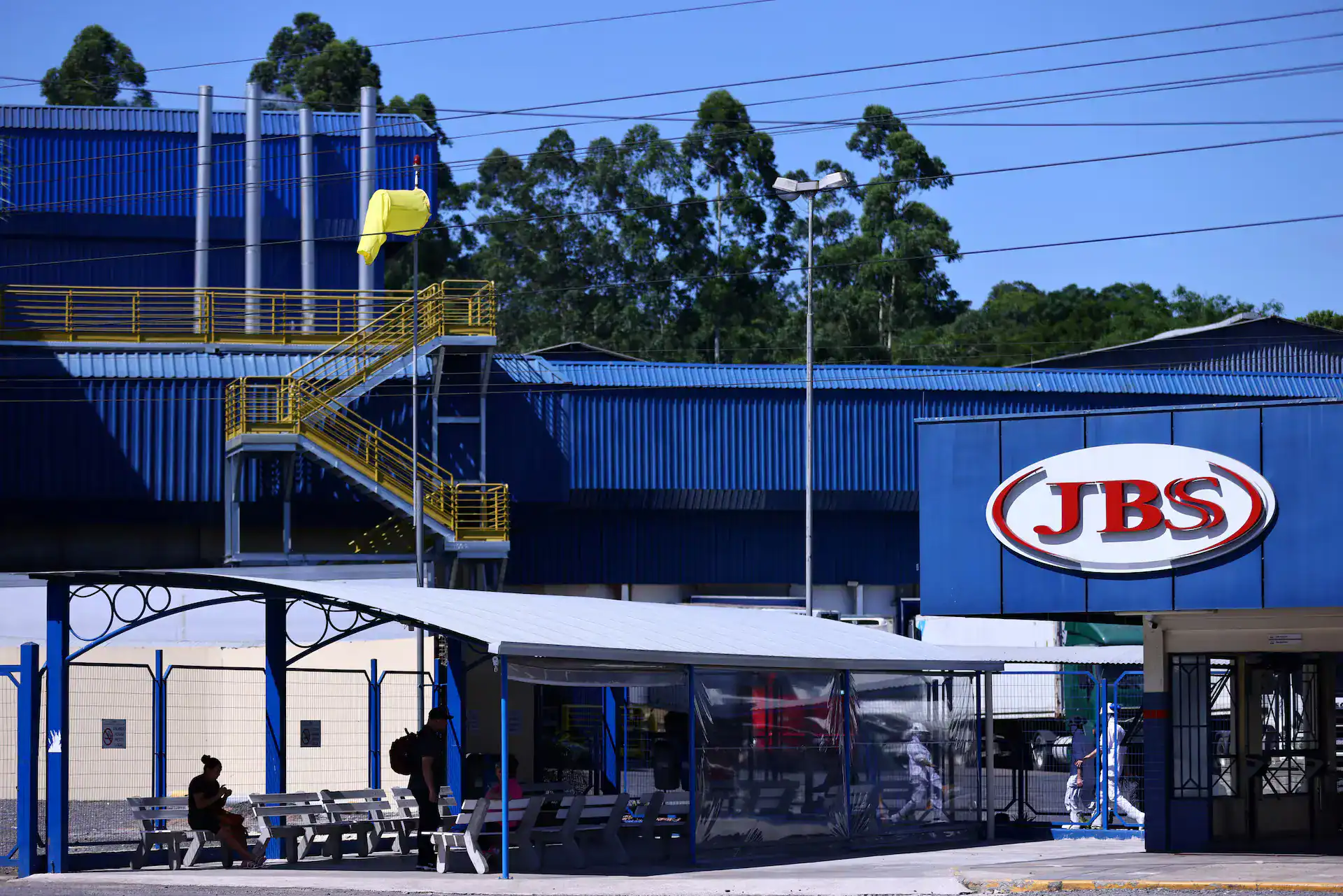
The uncomfortable twist is who sold the naphtha. One major supplier was Riograndense, a refinery in southern Brazil owned by Petrobras, the petrochemical group Braskem and the energy conglomerate Ultrapar.
There is no suggestion that these owners knew where the product ultimately went. The case instead shows how legitimate firms can be drawn unwittingly into a criminal supply chain.
That is precisely what makes it dangerous for them. A blue-chip name can end up a footnote in a criminal file simply by selling a legal product to the wrong customer.
The PCC and a new American risk
Prosecutors tie the scheme to the PCC, the country’s most powerful criminal organization. The gang has spent years pushing out of drugs and into the fuel trade, where the profits are large and the trail is faint.
What raises the stakes now is a move in Washington. The United States has signaled it intends to brand the PCC a terrorist organization, a label that reshapes the legal landscape.
For an international company, dealing even indirectly with a designated group can trigger sanctions exposure. A routine naphtha sale could become a compliance nightmare with American regulators.
Why a foreign reader should care
The case is the latest chapter in a long enforcement push. Over the past year Brazilian authorities have run a string of large operations against fuel-sector laundering, freezing assets and naming a web of shell firms and investment funds.
This is more than a local crime story. It is a case study in how organized crime has burrowed into a core sector of Latin America’s largest economy.
For investors, the lesson is about hidden risk. Companies listed in São Paulo and abroad now have to police their own customers far more carefully than before.
The episode also shows how a US policy choice can ripple through Brazilian boardrooms. A designation made in Washington can change the calculus for a refinery in the south of Brazil.
São Paulo prosecutors are expected to press charges in the coming weeks. For Brazil’s energy giants, the priority now is proving how cleanly they sell a very ordinary fuel.
Frequently Asked Questions
What is the Brazil fuel fraud case about?
Prosecutors say a firm called Petrodansk diverted naphtha, a petroleum product, to gas stations that blended it into petrol. The scheme cheated tax authorities and consumers and is linked to the PCC crime group.
Which big companies are involved?
A key naphtha supplier was Riograndense, a refinery co-owned by Petrobras, Braskem and Ultrapar. There is no suggestion the owners knew how the product was later used.
Why does the US terrorist label matter?
If the United States designates the PCC a terrorist organization, dealing even indirectly with it can trigger sanctions risk. That turns an ordinary fuel sale into a serious compliance problem for global firms.
The Rio Times · Power Map
See who really holds power in Latin America
Click to open the Power Map →













 English (US) ·
  French (CA) ·
  French (FR) ·