

 4 hours ago
5
4 hours ago
5
PROTECT YOURSELF with Orgo-Life® QUANTUM TECHNOLOGY
Orgo-Life the new way to the future Advertising by AdpathwayVenezuela · Politics
Key Facts
—The strike. A US military strike killed the leader of Tren de Aragua inside Venezuela.
—The target. Héctor Guerrero Flores, known as “Niño Guerrero,” led the gang for over a decade.
—The announcement. President Trump revealed the operation on social media, with video.
—The twist. Washington and Caracas both say the strike was a coordinated joint operation.
—The label. The US has branded Tren de Aragua a foreign terrorist organization.
—The campaign. It follows boat strikes that have killed more than 200 people.
A US military strike has killed the leader of Tren de Aragua, a designated terrorist gang, inside Venezuela, in an operation Washington says was coordinated with Caracas.
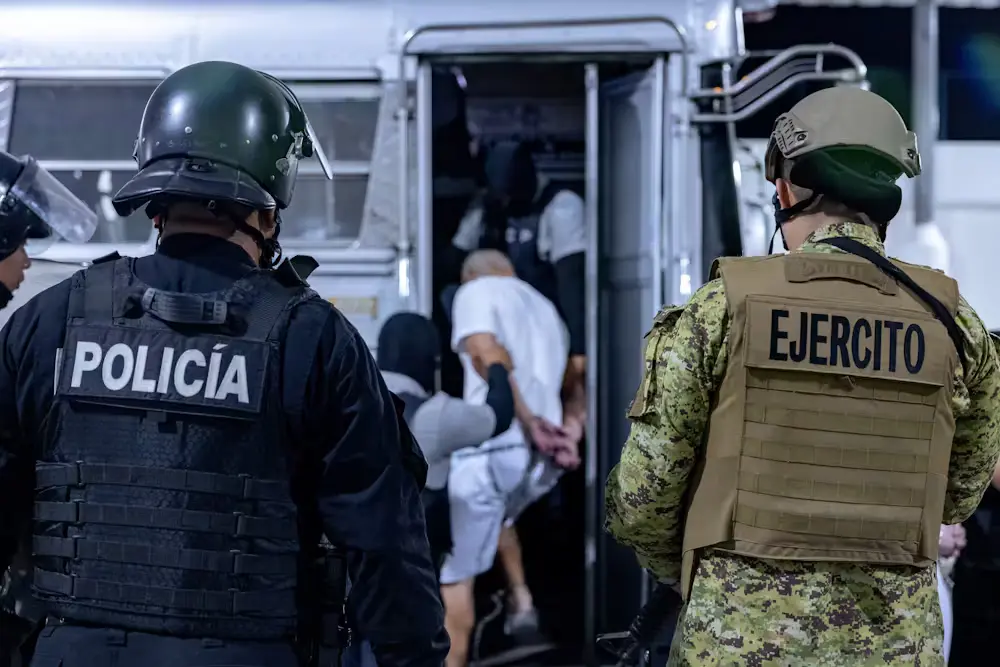
The United States has killed the most notorious gang leader in Latin America, in a strike on Venezuelan soil. The move marks a dramatic escalation of Washington’s campaign against the region’s criminal networks.
President Donald Trump announced the operation on Friday evening on his social media platform. He described it as a swift and lethal strike and shared video of a building erupting in flames.
Who Tren de Aragua’s slain leader was
The man killed was Héctor Rusthenford Guerrero Flores, aged forty-three and known by the alias “Niño Guerrero.” He had led the gang for more than a decade.
Under him, the group grew from a Venezuelan prison gang into a sprawling transnational network. Its reach now stretches across the Americas and even into Spain.
He was a wanted man. A New York federal court indicted him late last year on charges including racketeering and supporting terrorism, and the US had offered a reward of up to five million dollars.
US officials say the gang trafficked drugs and people, extorted communities and carried out acts of violence. It has been blamed for a wave of crime across South America.
His death is a major symbolic blow. For years he was among the most hunted men in the hemisphere, slipping capture and escaping prison more than once.
A surprising joint operation
The most striking detail is who helped. Both Washington and the Venezuelan government say the strike was a coordinated operation between the two sides.
Venezuela’s communications ministry described a combined effort involving intelligence-sharing and technical support, targeting organized crime in Bolívar state. The US defense secretary framed it as a shared commitment against narco-terrorists.
That cooperation is notable. Relations between the two countries have been hostile for years, and the United States carried out a separate operation in Caracas as recently as January.
Part of a wider campaign
The strike does not stand alone. It is the latest move in a sweeping US push against Latin American gangs that Washington now treats as terrorist groups.
That push has been violent. US forces have hit alleged drug boats in a series of strikes that, by some counts, have killed more than two hundred people.
The terrorist designation is the legal engine behind it. Branding a gang a terrorist organization gives Washington far wider latitude to act, including with military force.
Critics question both the legality and the toll of that approach. Rights groups have warned that the boat strikes risk killing people without due process, far from any battlefield.
Why it matters beyond Venezuela
For the wider region, the strike sets a charged precedent. A US military operation on the soil of a Latin American country, even a coordinated one, raises hard questions about sovereignty.
Other governments are watching closely. Brazil, for one, has been resisting a similar US move to brand its own largest gang a terrorist group, fearing the precedent it could set.
The worry is what a designation can unlock. Once a group is labelled terrorist, it can open the door to sanctions, asset freezes and even cross-border action against suspected members.
For investors, the read-through is about regional risk. A more interventionist Washington changes the security calculus across a region that is home to major commodity and energy exporters.
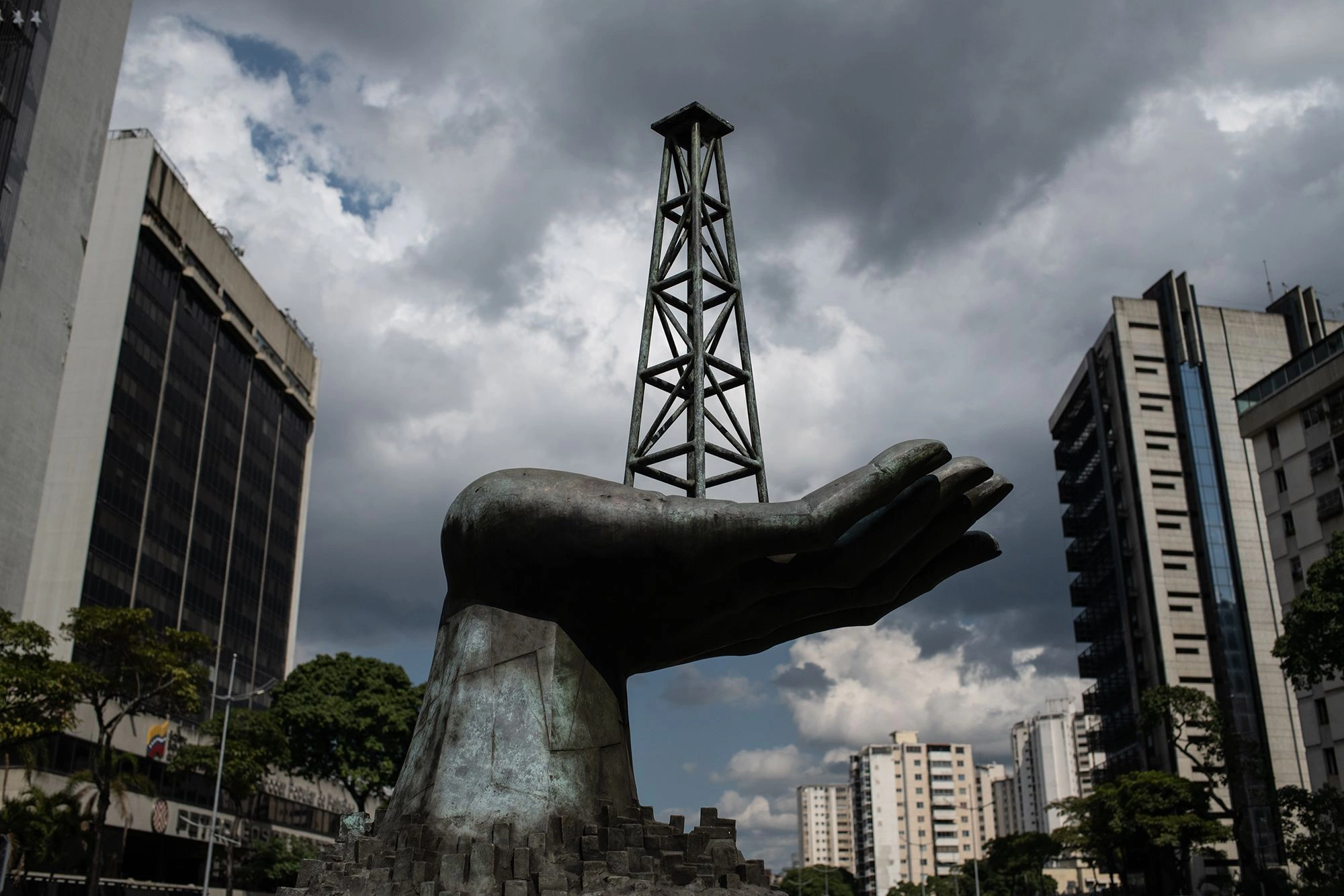
Oil sits at the center of that calculus. Venezuela holds some of the world’s largest crude reserves, so any shift in its relationship with Washington ripples through energy markets.
The killing of one leader rarely ends a gang. The bigger story is a United States now willing to project force directly into Latin America’s crime wars.
Frequently Asked Questions
What is Tren de Aragua?
Tren de Aragua is a Venezuelan criminal gang that began inside a prison and grew into a transnational network across the Americas. The United States has designated it a foreign terrorist organization.
Did Venezuela help with the strike?
Both Washington and Caracas say so. Venezuela’s government described a combined operation involving intelligence-sharing and technical support, and the US framed it as a shared effort against narco-terrorists.
Why does this matter for the region?
A US military strike on Latin American soil sets a charged precedent on sovereignty. It also signals a more interventionist Washington, which changes the security picture across a region full of major commodity exporters.
The Rio Times · Power Map
See who really holds power in Latin America
Click to open the Power Map →














 English (US) ·
  French (CA) ·
  French (FR) ·