

 4 hours ago
5
4 hours ago
5
PROTECT YOURSELF with Orgo-Life® QUANTUM TECHNOLOGY
Orgo-Life the new way to the future Advertising by AdpathwayVenezuela · Energy
Key Facts
—The deal. Venezuela granted Shell a licence to explore and export natural gas.
—The field. Shell will develop Loran, a gas field abandoned for some twenty-three years.
—The border. Most of Loran’s deposits straddle the maritime line with Trinidad and Tobago.
—The shift. A January law reform opened the sector to foreign investors after years of sanctions.
—The backdrop. The opening followed the US capture of former leader Nicolás Maduro in January.
—The prize. Venezuela holds some of the world’s largest oil and gas reserves.
Venezuela has handed Shell a licence to tap a long-idle offshore gas field, a concrete step in the country’s US-backed reopening to foreign energy investment.
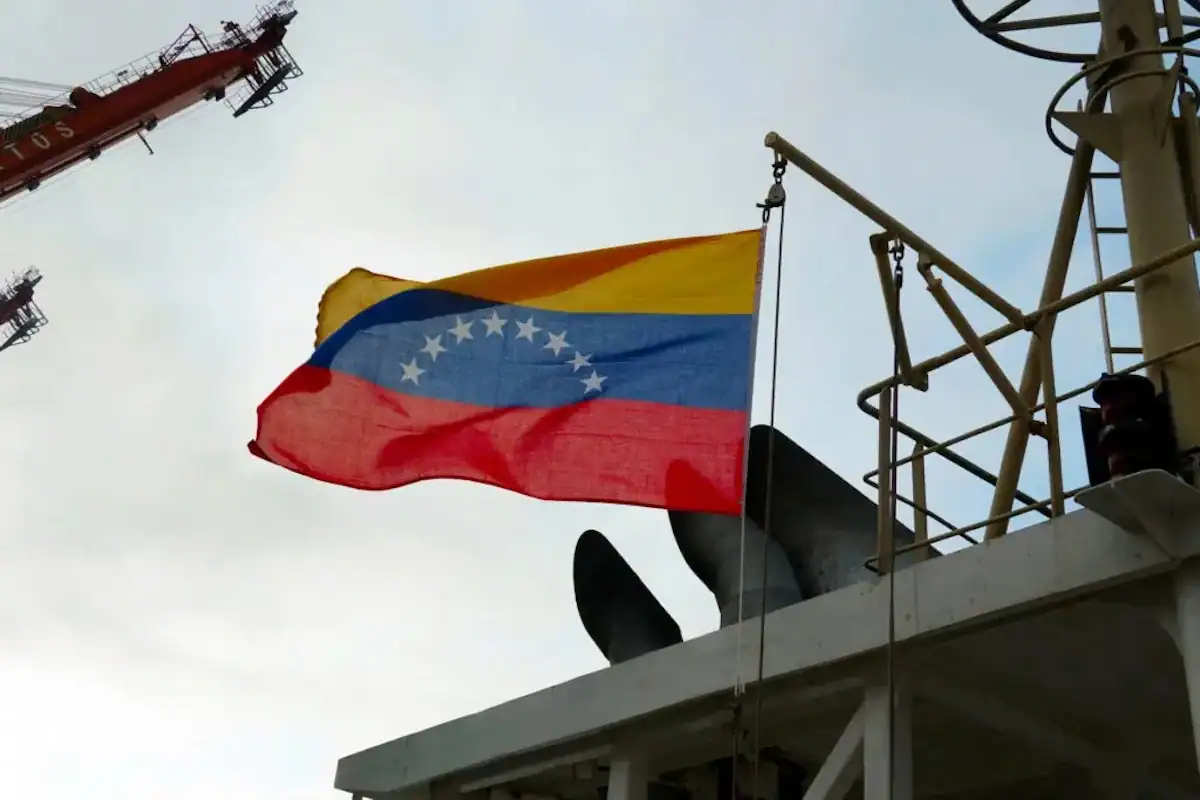
A deal that had been trailed for months is now signed. Venezuela has granted the British energy giant Shell a licence to explore and export natural gas, turning a long-promised opening into a firm commitment.
It is a milestone moment for a country only now emerging from years of isolation. Venezuela holds some of the largest oil and gas reserves on the planet, much of it left untapped under sanctions.
What Shell gets in Venezuela
The licence covers the Loran field, a substantial offshore gas asset that had sat abandoned for more than two decades. Reviving it is no small undertaking.
The field is unusual in that most of its deposits straddle the maritime border with neighbouring Trinidad and Tobago. That makes it a natural fit for piping gas to Trinidad’s processing plants.
Reviving a field dormant for so long is a serious technical job. It means fresh surveys, new wells and the careful tie-in of undersea pipework before a single unit of gas reaches market.
Interim President Delcy Rodríguez framed the agreement as a leap forward for the country. She said it would let Venezuela advance both its gas development and its ambitions as an exporter.
Shell representatives also toured a gas-processing complex in the country’s northeast on the same day. The visit signalled that the company intends to move quickly from paper to practice.
For Shell, the appeal is partly geography. Piping Venezuelan gas across the border lets it feed plants that already exist in Trinidad, rather than building costly new infrastructure from scratch.
How the opening came about
The licence is the fruit of a dramatic political turn. In January, the United States captured former leader Nicolás Maduro in a military operation, and his former deputy took over as interim president.
Under pressure from Washington, the new government pushed through a sweeping reform of the country’s hydrocarbon law. The overhaul opened the long-closed sector to private and foreign capital.
Washington has since eased the sanctions that had throttled Venezuelan energy for years. A string of licences has allowed major oil companies to return to the country.
Shell is far from alone. Other global names have been circling Venezuela’s fields, drawn by reserves that are vast even by world standards.
The pattern has been deliberate and incremental. Washington has tied each new licence to a corresponding reform, keeping leverage over a government it wants to keep cooperative.
That careful sequencing tells investors something important. The reopening is real, but it is being managed tightly rather than thrown open all at once.
Why it matters beyond Venezuela
For energy markets, fresh Venezuelan supply is significant. A country this rich in reserves coming back online could ease tightness that the Middle East conflict has worsened this year.
For the wider region, the Loran project knits Venezuela closer to Trinidad. Shared gas could revive Trinidad’s struggling export plants and bind two neighbours into one supply chain.
For investors, the deal is a test case. It shows that companies are willing to commit real money to Venezuela, while the political framework underpinning it all remains young and untested.
There is also a longer history that gives pause. In the past, Venezuela seized the assets of foreign oil firms that resisted state control, a memory that still shapes boardroom risk assessments.
The caution is warranted. Sanctions relief has been granted step by step and can be reversed, so each signed contract is also a bet on Washington staying the course.
Frequently Asked Questions
What did Venezuela give Shell?
Venezuela granted Shell a licence to explore and export natural gas from the Loran field, an offshore asset abandoned for about twenty-three years. Most of its deposits straddle the maritime border with Trinidad and Tobago.
Why is Venezuela opening to foreign firms now?
After the US captured former leader Nicolás Maduro in January, the new interim government reformed the hydrocarbon law to attract foreign capital. Washington then eased sanctions, letting major oil companies return.
Why does this matter for energy markets?
Venezuela holds some of the world’s largest reserves, so its return could ease global supply tightness worsened by the Middle East conflict. The Loran project would also link Venezuelan gas to Trinidad’s export plants.
The Rio Times · Power Map
See who really holds power in Latin America
Click to open the Power Map →















 English (US) ·
  French (CA) ·
  French (FR) ·